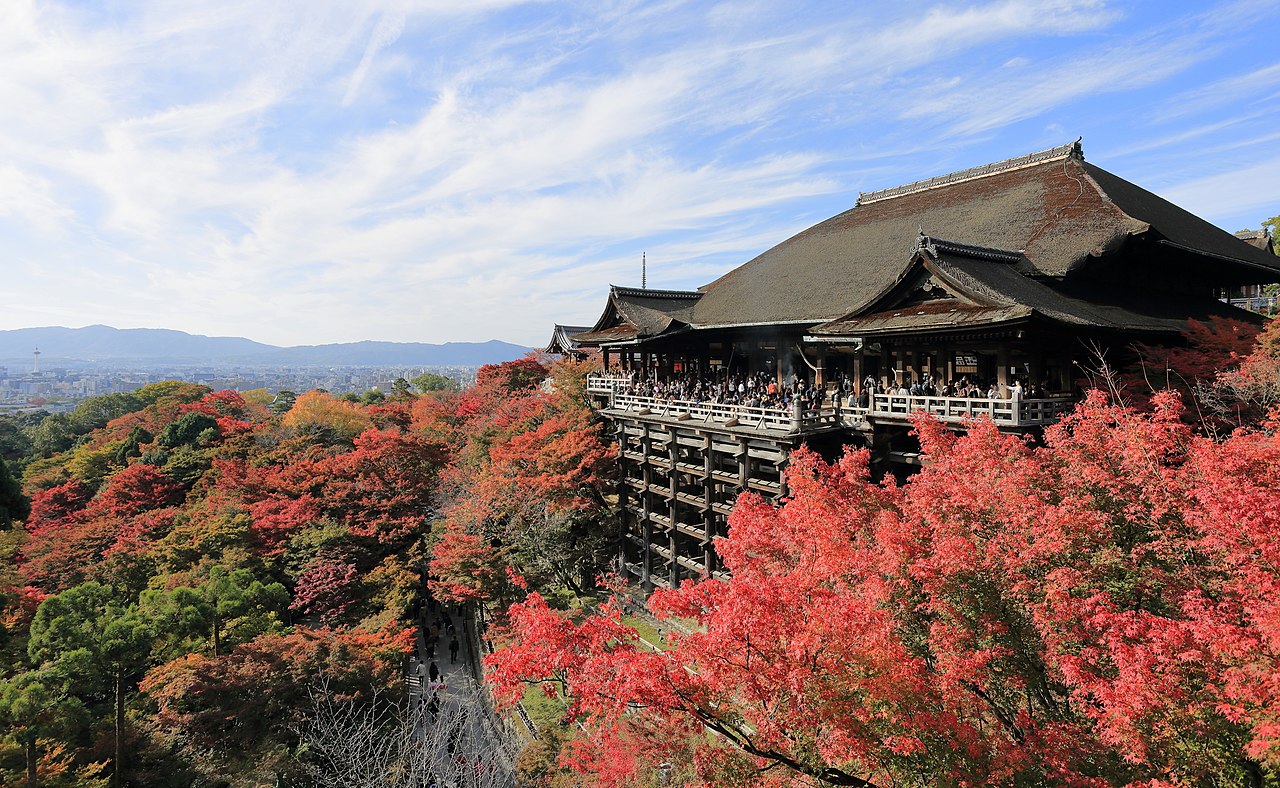
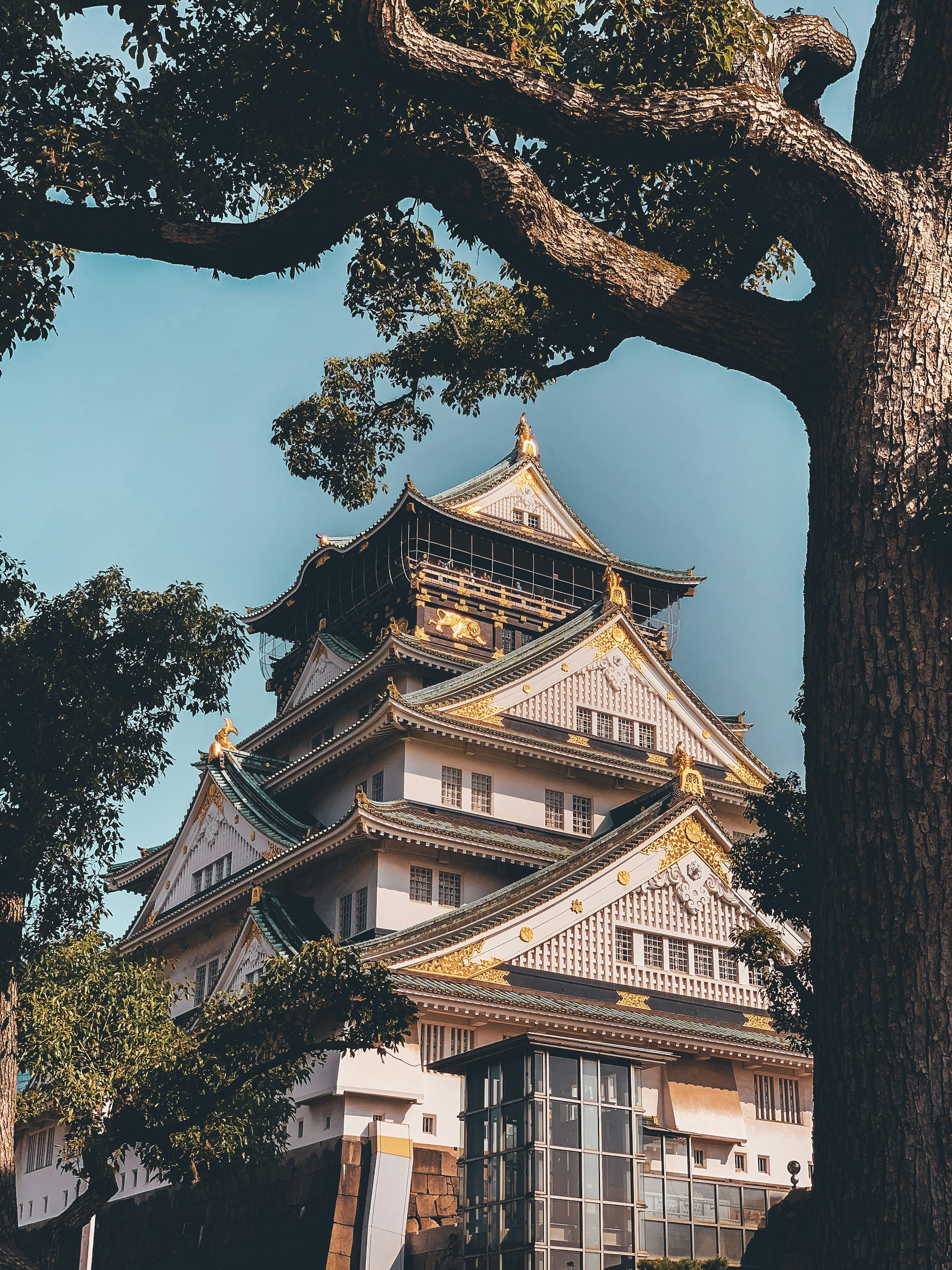
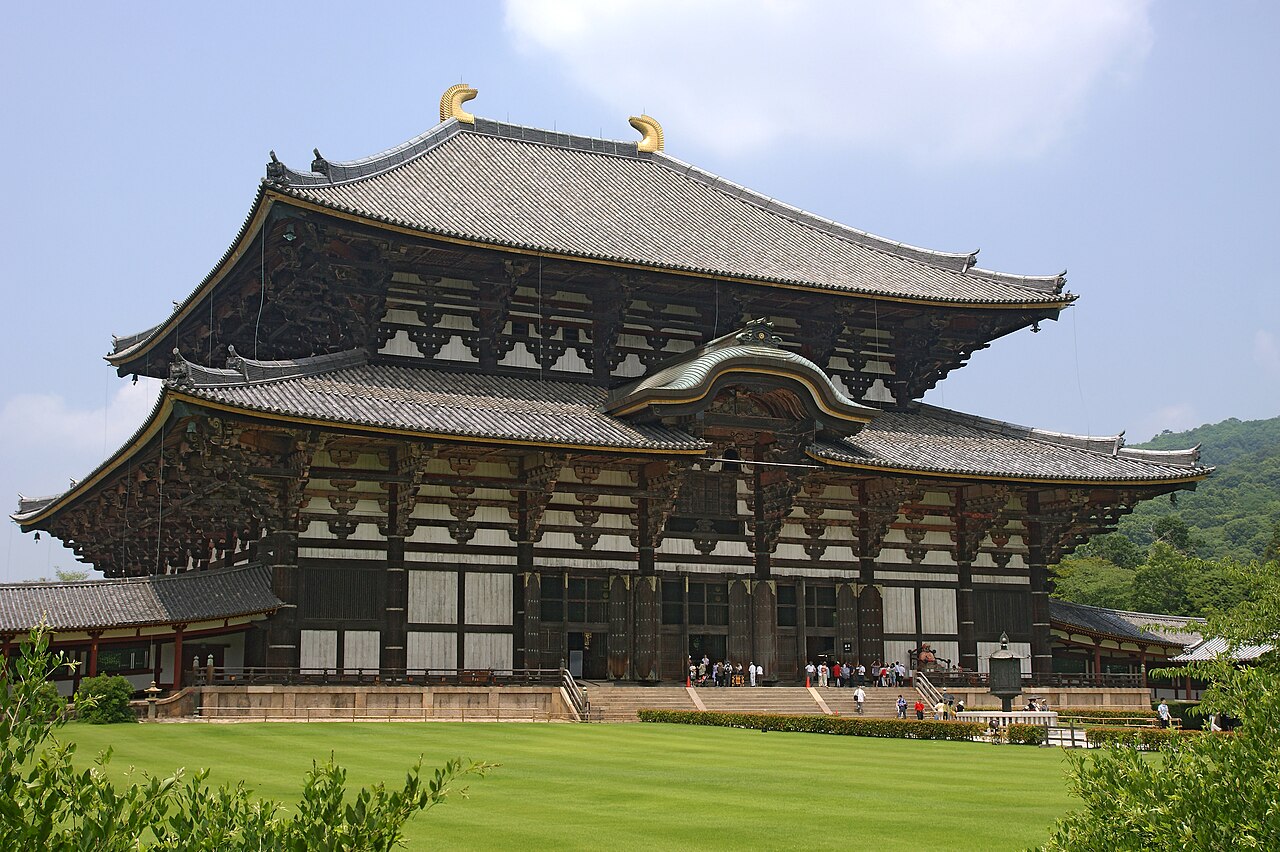
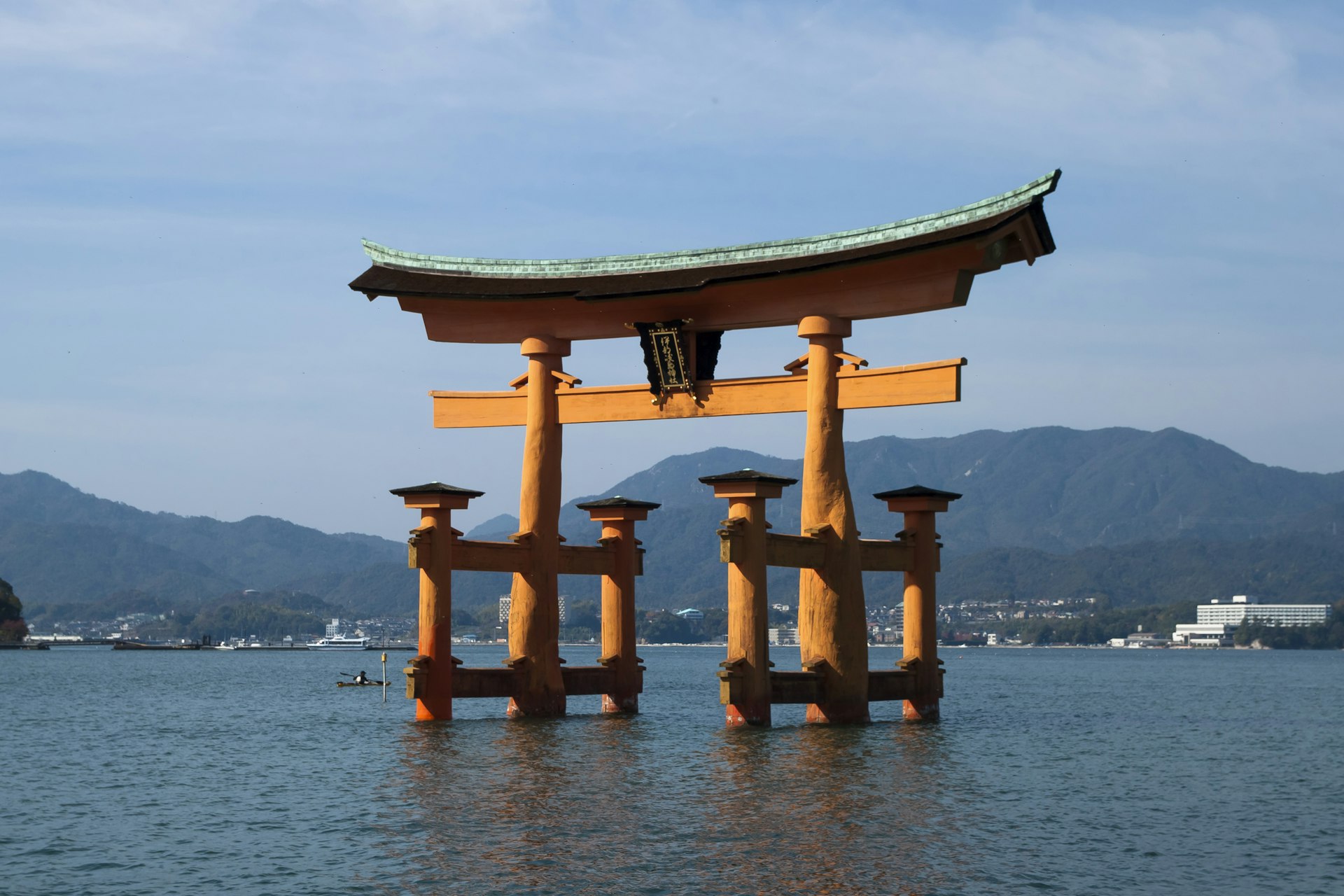
The best times to visit Kyoto are spring (late March to May) and autumn (October and November). Cherry blossom peaks in early April, filling the temples, riverbanks and Philosopher's Path with pink, while the maple leaves turn fiery red in mid-to-late November — both are breathtaking but also the most crowded and most expensive weeks of the year, when hotel prices can double or triple. For a gentler balance, May, early June and October bring pleasant weather and thinner crowds. Summer (July to August) is hot, humid and sticky with a rainy spell in June, and winter (December to February) is cold and quiet but can be starkly beautiful, especially with snow on the golden pavilion, and is the cheapest time to come.
Kyoto sits in a basin and its summers (July to August) are genuinely hot and very humid, with real risk of heat exhaustion while temple-hopping. Carry water, use the cheap vending machines and convenience stores, wear a hat, take breaks in the shade or air conditioning, and do the outdoor sights early or late in the day.
Kyoto's crowds, not crime, are the main challenge — during cherry-blossom and autumn seasons the top sights, buses and trains are packed, and overtourism has strained the city. Start early, use the subway and trains to skip bus queues, visit famous spots at dawn, and be patient and courteous in the crush.
Japan sits in an active earthquake zone and the late-summer and autumn typhoon season (roughly August to October) can bring heavy rain and disruption. Both are rare to affect a short visit, but know your accommodation's exits, keep an eye on weather warnings, and follow official guidance if an alert is issued.