 Pamětihodnost
Eiffel Tower
Paris's iconic iron tower, with ticket options for the stairs or the lift to the top. Book a timed slot online in advance to avoid long queues, and watch your belongings in the busy plaza below.
15–40 US$ 2,5 h
 Anthony Delanoix / Unsplash
Booking sites sell to you. We protect you: verified price bands plus the exact tricks travellers hit in this place.
Not just a guide — a community. Travellers who've been here give real tips, and people going your dates are here to meet.
Paris is France's capital and one of the world's most visited cities, a place of grand boulevards, riverside monuments and small neighbourhood cafes. Within a compact centre you can climb the Eiffel Tower, wander the vast halls of the Louvre, cross the Seine to Notre-Dame and end the day watching the sunset from the…
Pamětihodnosti a zážitky, které si zaslouží váš čas — s férovými cenami.
PamětihodnostParis's iconic iron tower, with ticket options for the stairs or the lift to the top. Book a timed slot online in advance to avoid long queues, and watch your belongings in the busy plaza below.
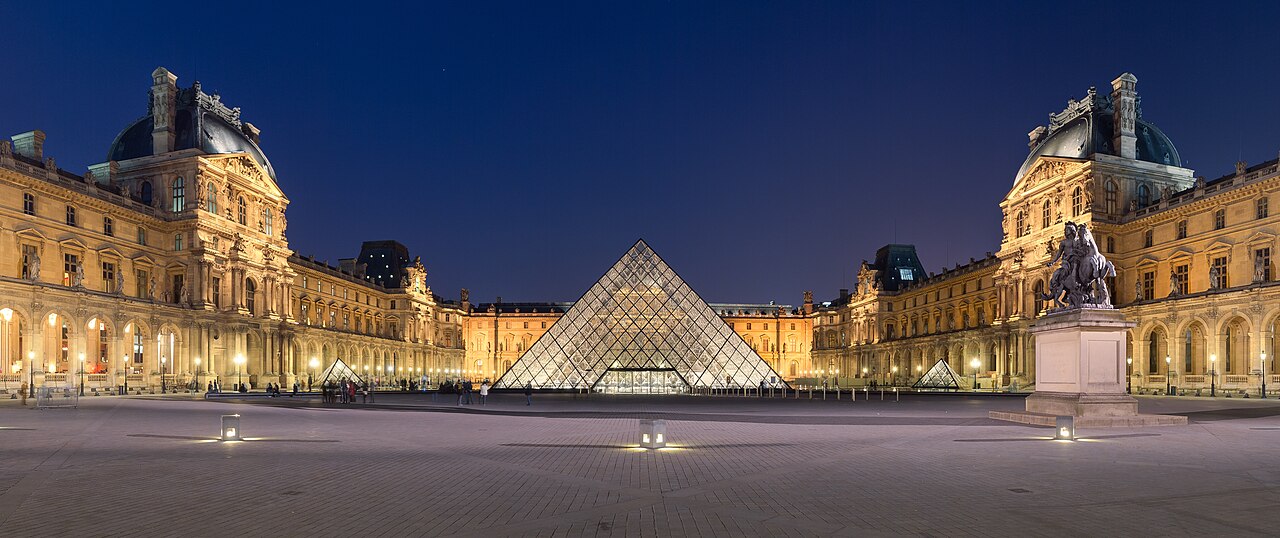 Pamětihodnost
The world's largest art museum, home to the Mona Lisa and thousands of masterpieces. Book a timed entry ahead, wear comfortable shoes and pick a few wings rather than trying to see everything.
 Pamětihodnost
A former railway station housing a superb collection of Impressionist and Post-Impressionist art. Less overwhelming than the Louvre and a favourite for many visitors. Book ahead in high season.
 Pamětihodnost
The famous Gothic cathedral on the Ile de la Cite, restored after the 2019 fire. The exterior and square are free to admire; check current access arrangements for the interior locally.
The must-try local dishes, sweets and fruits — including the exotic ones you won't find back home.
 SweetSKopp / Wikimedia Commons (CC BY-SA 3.0)
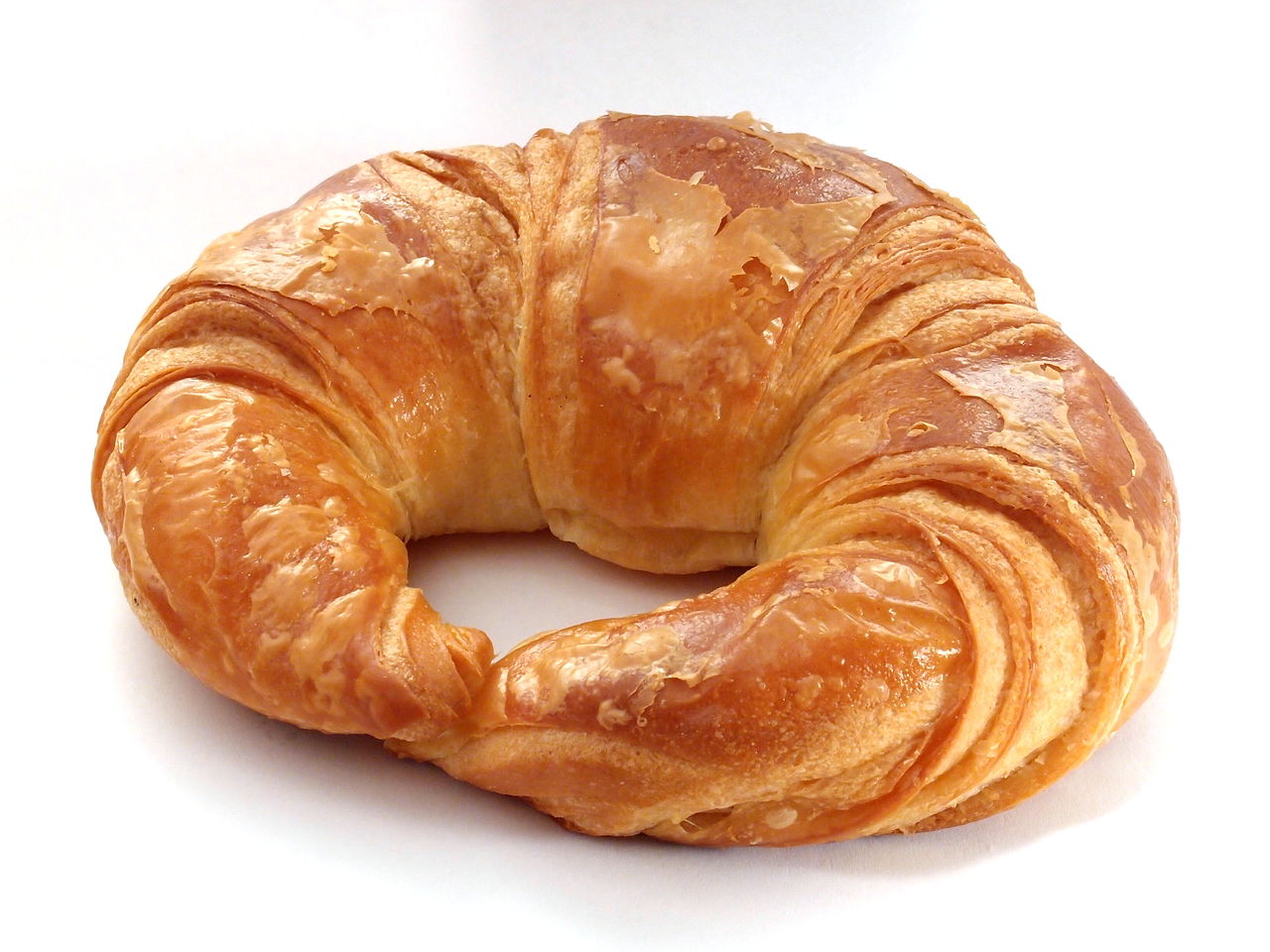
A flaky, buttery, crescent-shaped pastry perfected in Parisian bakeries and eaten across France every morning with coffee. Look for the AOP butter label on a boulangerie window for the richest, most authentic version.
Go early; the best neighbourhood bakeries often sell out of the morning batch by mid-morning.
 SweetBetsy Weber / Wikimedia Commons (CC BY 2.0)
A delicate almond-meringue sandwich cookie in bright colours and flavours, filled with ganache, buttercream or jam. Parisian houses like Ladurée helped turn it into one of the city's most iconic edible souvenirs.
A good macaron shell should be crisp and slightly chewy, never dry or crumbly.
 DishDcollard / Wikimedia Commons (CC BY-SA 3.0)
A simple, classic bistro plate of grilled steak with a pile of thin, crisp fries, usually finished with a pat of herb butter or a peppercorn sauce. It is the everyday backbone of Parisian bistro menus.
 DishWikimedia Commons contributor (CC BY-SA 2.0)
Rich, buttery fattened duck or goose liver, served as a smooth pâté or pan-seared, traditionally opening a French festive meal. It is a genuine delicacy, though its production is controversial and banned in some countries, so some travellers choose to skip it.
 DishThomon / Wikimedia Commons (CC BY-SA 4.0)
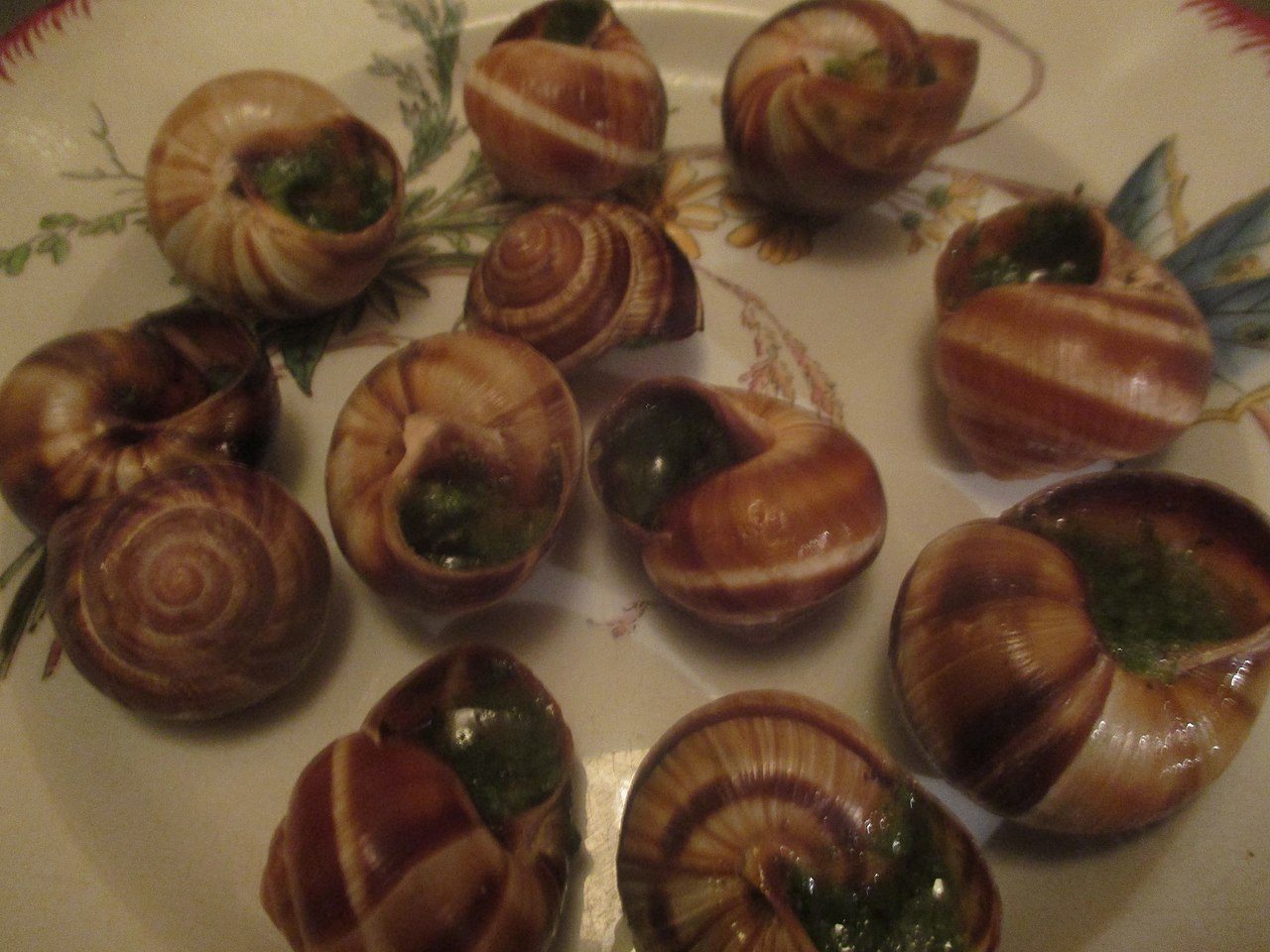
Snails cooked in their shells with garlic, parsley and butter, then eaten straight from the shell with a small fork, a true French bistro classic. Trying it is a rite of passage for many first-time visitors who find the idea of eating snails genuinely novel.
A dozen as a starter is the standard order; mop up the leftover garlic butter with bread.
Personalizované tipy podle vašich zájmů a toho, co je poblíž.
Ask, share, or connect with travelers nearby — and earn points.
Real restaurants, cafés, sights and things to do across the city — live from the map, with our fair-price and scam intelligence on top.
Co platí místní — ověřte si nabídku, než zaplatíte hotovostí.
Rezervujte přímo — často levnější než platformy, a s bezplatným storno častěji než ne.
Jak to funguje: Unofficial drivers approach arrivals at airports and stations offering a 'taxi', then charge far above the regulated fare or refuse the meter.
Jak se mu vyhnout: Use only the official taxi rank or a licensed ride-hailing app. Know the fixed airport fare in advance, and never accept a ride from someone approaching you inside the terminal.
Set your city and dates — we open the live results, no inventory held
Flights to Paris
Compare flights & hotels on Aviasales — your city auto-detected, no extra fees.
Trzly compares across the big providers and points you to the cheapest. We don't take your booking or hold your money — we send you straight to the source, name the price, and warn you about scams.
Cheapest for you first — never by commission. When booking direct is cheaper, we say so, even when we earn nothing. Rank order is a function of price and trust only.
Hotels, apartments & guesthouses
Tours, tickets & local experiences
Restaurants, cafés & honest local prices
Trains, buses, transfers & car hire
The essentials most travellers book anyway — real providers for this destination.
Skutečné sazby, ne turistické ceny.
The suburban train links Charles de Gaulle with central Paris in around 45 minutes and connects to the metro. The cheapest airport link, but keep your ticket and watch your bags.
Dedicated coaches run from the airports to central hubs. A comfortable middle option between the cheap train and an expensive taxi, though slower in traffic.
Licensed taxis charge a flat fare between the airport and each side of the river. Best for groups or heavy luggage. Use only the official rank and confirm the set rate.
A dense, frequent network that reaches almost every corner of the city. The fastest way to cross Paris. Buy a rechargeable pass and mind pickpockets at busy stations.
Surface routes are slower but scenic and useful where the metro does not reach. The same ticket and passes apply. Validate on boarding.
Paris is compact and beautiful on foot, with the river, bridges and quarters best seen at a slow pace. Comfortable shoes make all the difference.
Spring (April to June) and early autumn (September to October) bring mild weather, blossom or golden light and slightly thinner crowds. July and August are hot and busy, with some local businesses closed in August, while winter is cool, grey and quieter but atmospheric.
Three to four days lets you cover the main sights, one or two big museums and a couple of neighbourhoods at a reasonable pace, with time for cafes and an evening river walk.
Yes for the Eiffel Tower, the Louvre and the Musee d'Orsay, which use timed entry and sell out or mean long queues. Booking ahead also helps you avoid touts selling overpriced tickets.
The RER B train from Charles de Gaulle is the cheapest option and reaches central stations in around 45 minutes. An airport bus is a comfortable middle choice, and official fixed-fare taxis suit groups with luggage.
Paris is generally safe, but pickpocketing and street scams are common around major sights and on the metro. Keep valuables secure, decline bracelet sellers and petitions, and stay aware in crowds and at night near stations.
You can manage with English in tourist areas, but a simple bonjour and merci go a long way and are appreciated. Greeting staff before asking a question is considered basic politeness.
Places like Paris — real prices, real scam warnings, honestly checked.
 Zkontrolováno


 Zkontrolováno