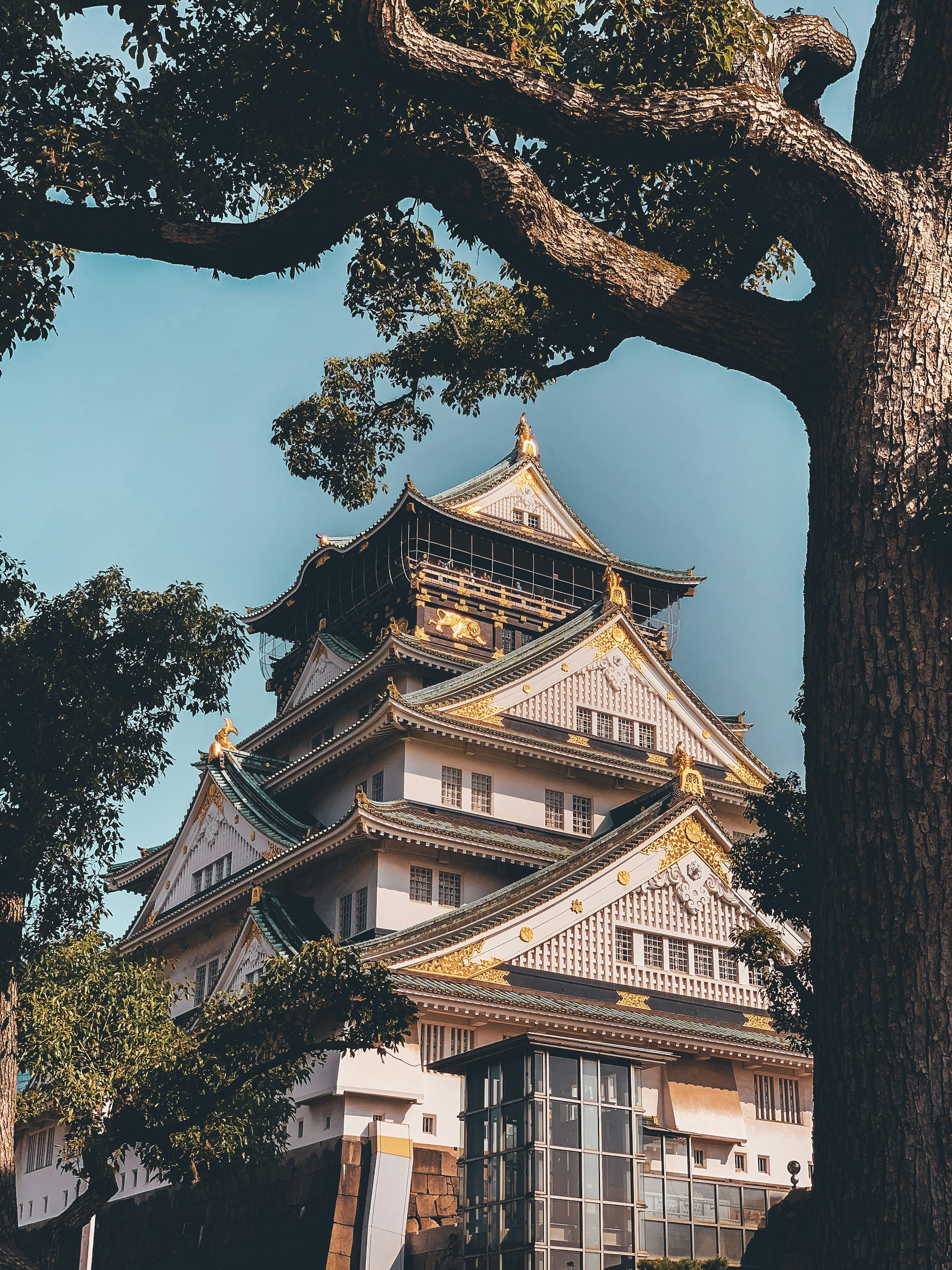
Spring (March to May) brings cherry blossoms around Osaka Castle and mild temperatures, while autumn (October to November) offers the year's lowest rainfall and comfortable sightseeing weather with far smaller crowds than spring. Summer (June to August) is hot, humid and prone to typhoons from late summer into early autumn, and winter is cool and dry with occasional cold snaps.
Japan is seismically active and minor tremors happen from time to time. Note your accommodation's exits on arrival and follow any staff instructions during a quake; a short visit needs no special preparation beyond basic awareness.
Summer afternoons regularly reach the low 30s Celsius with high humidity, raising the risk of heat exhaustion. Carry water, use the air-conditioned subway and shopping arcades to cool off, and plan outdoor sightseeing for the morning or evening.
Typhoons can affect the Osaka area from late summer into early autumn, sometimes disrupting trains and flights for a day. Check the forecast if travelling in this window and build a little flexibility into onward connections.