 Sight
SightBelem Tower
A sixteenth-century fortified tower on the riverfront, a symbol of Portugal's maritime age. The interior is ticketed with narrow stairs and queues, but the exterior and setting are free to enjoy.
$8 – $14 1 hr
 Lukas Bato / Unsplash
Booking sites sell to you. We protect you: verified price bands plus the exact tricks travellers hit in this place.
Not just a guide — a community. Travellers who've been here give real tips, and people going your dates are here to meet.
Lisbon is Portugal's capital, a warm, hilly city of pastel facades, patterned tiles and steep lanes tumbling down to the wide River Tagus. Built across seven hills, it rewards the effort of walking with sudden viewpoints, rattling old trams and the sound of fado drifting from the alleys of Alfama, the oldest quarter.…
The sights and experiences worth your time — with honest prices.
SightA sixteenth-century fortified tower on the riverfront, a symbol of Portugal's maritime age. The interior is ticketed with narrow stairs and queues, but the exterior and setting are free to enjoy.
 Sight
SightA vast and ornate monastery beside the river at Belem, and the city's finest building. Book a timed ticket ahead, as queues here are among the longest in the city.
 Sight
SightA hilltop Moorish castle above the old town with ramparts and sweeping views over the rooftops and the Tagus. Ticketed entry; go early or late for softer light and thinner crowds.
 Experience
The famous vintage tram that rattles through the steep old quarters. A ride is charming but very crowded and a pickpocket hotspot, so board early and guard your belongings.
The must-try local dishes, sweets and fruits — including the exotic ones you won't find back home.
 SweetAmanda Coutinho / Wikimedia Commons, CC BY 2.0
Lisbon's iconic warm custard tart, with a caramelised top and a shatteringly crisp, flaky pastry shell perfected by the monastery bakers of Belem. A quick, cheap treat sold at almost every pastelaria in the city.
Eat it warm with a dusting of cinnamon; a good one costs little more than a euro or two at any neighbourhood pastelaria, not only the famous Belem bakery.
 DishAdriao / Wikimedia Commons, CC BY-SA 3.0
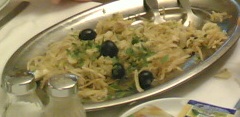
Salt cod is Portugal's national dish with hundreds of recipes, and this version was invented in a Lisbon tavern in the nineteenth century: shredded salt cod fried with matchstick potatoes, onion and egg, finished with black olives and parsley. A comforting, everyday classic on almost every tasca menu in the city.
Look for it on the daily specials board, prato do dia, at a neighbourhood tasca rather than a touristy restaurant for the best version.
 DishSonse / Wikimedia Commons, CC BY 2.0
A thin pork steak marinated in garlic, white wine and spices, simmered until tender and stuffed into a soft roll, sold at simple counters and cafes across the city. Lisbon's favourite quick bite, best eaten standing at the counter with a cold beer or a splash of hot sauce.
Ask for it with piri-piri sauce, and try one at a classic counter such as As Bifanas do Afonso.
 DrinkTomislav Medak / Wikimedia Commons, CC BY-SA 2.0
A sweet-tart liqueur made by steeping sour cherries in brandy with sugar and cinnamon, served as a shot from tiny, standing-room-only hole-in-the-wall bars near Rossio Square, some open since the 1840s. An only-in-Lisbon ritual as much as a drink.
Order it com (with a boozy cherry at the bottom of the glass) or sem (without), and drink it standing at the counter the way locals do.
 DishJose Carlos Casimiro / Wikimedia Commons, CC BY-SA 2.0
Whole sardines grilled over charcoal with nothing but coarse salt, served on a hunk of cornbread and eaten with your hands, no cutlery. They peak in June, when Lisbon's Santo Antonio street festival fills the old quarters with grill smoke and much of the city seems to be eating sardines outdoors.
Time a visit to mid-June for the Festas de Lisboa for the full street-party version; otherwise many tascas grill them year-round.
 Must-tryMsadp06 / Wikimedia Commons, CC0
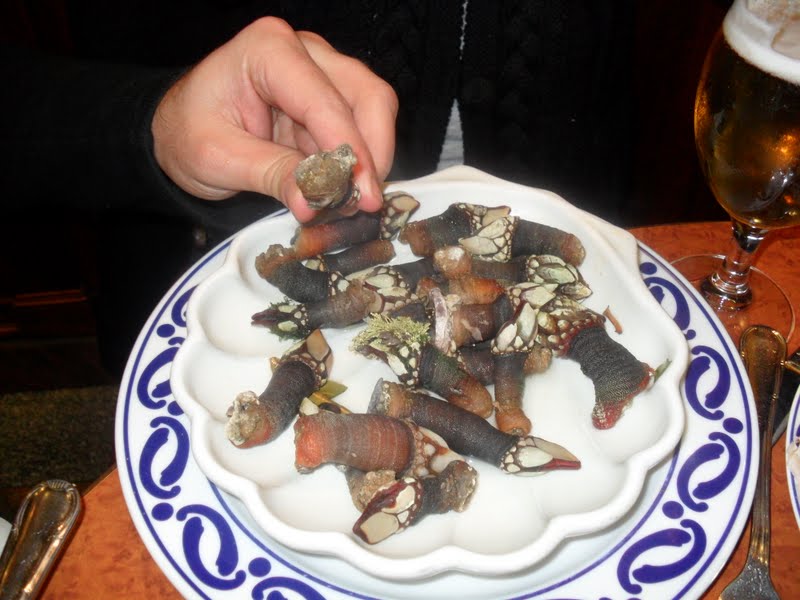
A strange-looking, prized Atlantic-coast delicacy: thick, dark stalks boiled in seawater and eaten by tearing off the leathery skin to reveal a briny, lobster-like flesh inside. Startling to look at for most first-time visitors, but a genuine treat at Lisbon seafood restaurants for anyone willing to try something different.
They are priced by weight and can be expensive, so check the price before ordering, and ask staff to show you how to shell them.
Personalized picks based on your interests and what's nearby.
Ask, share, or connect with travelers nearby — and earn points.
Real restaurants, cafés, sights and things to do across the city — live from the map, with our fair-price and scam intelligence on top.
What locals pay — check a quote before you hand over cash.
Ask for the member or app-only rate — it's often hidden from the public price.
Set your city and dates — we open the live results, no inventory held
Flights to Lisbon
Compare flights & hotels on Aviasales — your city auto-detected, no extra fees.
Trzly compares across the big providers and points you to the cheapest. We don't take your booking or hold your money — we send you straight to the source, name the price, and warn you about scams.
Cheapest for you first — never by commission. When booking direct is cheaper, we say so, even when we earn nothing. Rank order is a function of price and trust only.
Hotels, apartments & guesthouses
Tours, tickets & local experiences
Restaurants, cafés & honest local prices
Trains, buses, transfers & car hire
The essentials most travellers book anyway — real providers for this destination.
Real fares, not tourist prices.
The Metro runs directly from the airport into the city and connects to the wider network. The cheapest link; use a rechargeable transport card and expect one change for many hotels.
City buses link the airport with central districts for a low fare. Slower than the Metro and less convenient with heavy luggage, but a cheap surface option.
The airport sits close to the centre, so a metered taxi or ride-hailing trip is quick and reasonable. Insist on the meter and watch for a small luggage supplement.
A clean, modern network that covers the main districts and the airport. Fast for longer hops, though many central sights sit on hills the Metro does not climb.
The Carris network of trams, hill funiculars and buses is essential for Lisbon's slopes. A rechargeable card is far cheaper than paying cash on board.
The old quarters are best explored on foot, but the streets are steep and cobbled. Wear grippy, comfortable shoes and use funiculars to save the hardest climbs.
Spring (April to June) and early autumn (September to October) offer warm, sunny days and pleasant evenings ideal for walking the hills. Midsummer is hot and busy, especially around the June festivals, while winter is mild but wetter and much quieter.
Three days covers the old quarters, Belem and a fado evening at a relaxed pace, with time to add a day trip to Sintra or the coast if you have longer.
The centre is compact but very hilly and cobbled, so walking is rewarding but tiring. Trams, funiculars and the Metro help with the steepest climbs and longer hops.
Tipping is modest and not obligatory in Portugal. Rounding up or leaving a little for good service is normal, but there is no expectation of a large percentage.
Couvert is a charge for the bread, olives or starters brought to the table. It is legal but optional, so you can decline anything you did not order at no cost.
Yes. Sintra's palaces and forested hills make a popular day trip by train from Lisbon. Go early, book palace tickets ahead, and expect crowds at the most famous sites.
Places like Lisbon — real prices, real scam warnings, honestly checked.
 Reviewed
 Reviewed
 Reviewed
