Al Soudah Cable Car
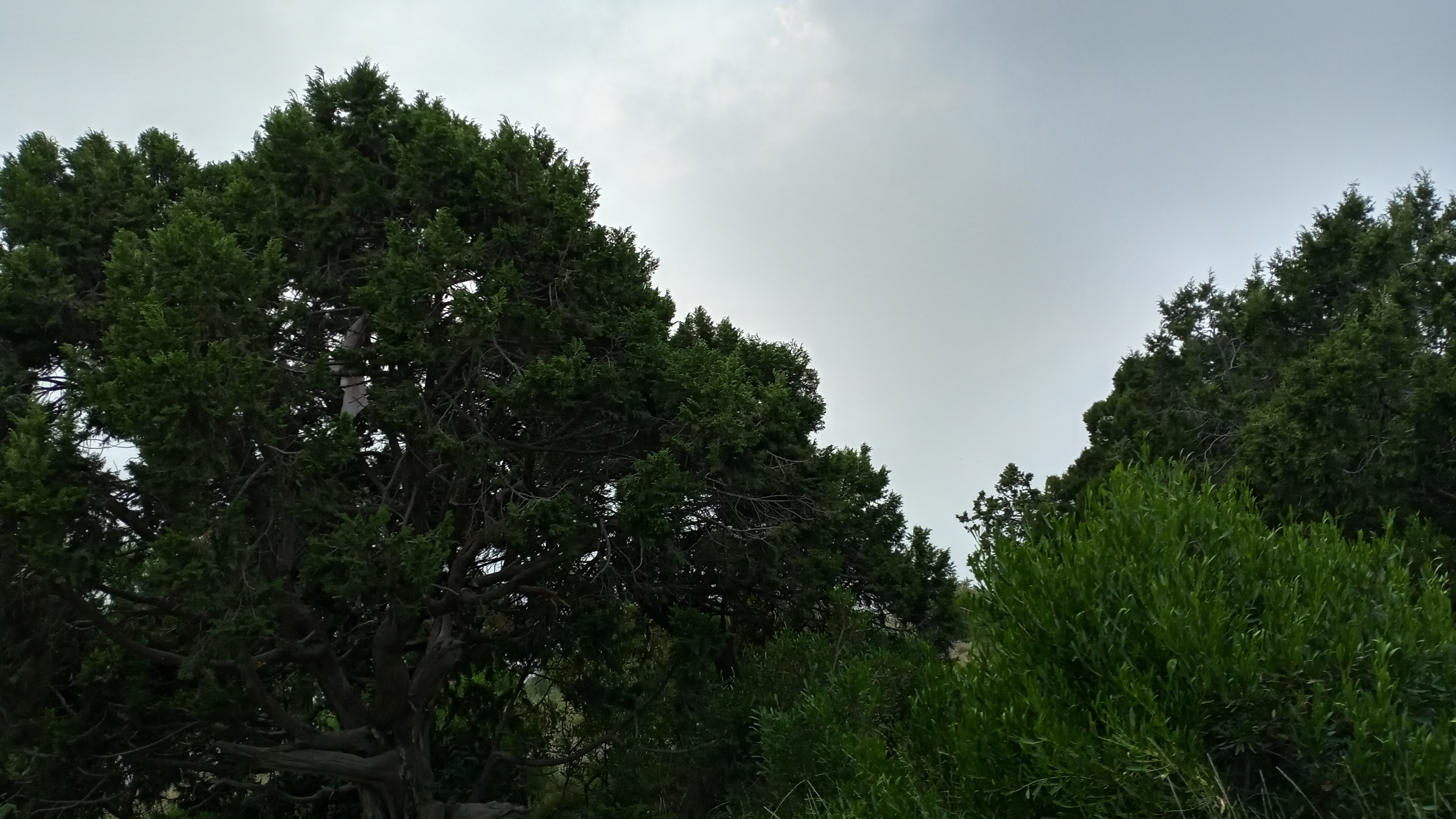
A scenic cable car ride near Jabal Sawda, Saudi Arabia's highest peak, gliding over juniper forest and mountain cliffs to a viewpoint park. Bring a light jacket, temperatures at the top are noticeably cooler than in the city.
Irshadpp / Wikimedia Commons (CC BY-SA 4.0)Personalized picks based on your interests and what's nearby.
Abha is the capital of Asir Province, perched at more than 2,200 metres in the Sarawat Mountains in Saudi Arabia's south-west, a striking contrast to the deserts most visitors picture. Cable cars swing over misty green valleys to Al Soudah, near Jabal Sawda, the highest point in the country, and to the once-isolated…
Best time to visit
Ride the Al Soudah cable car in the late afternoon, when the light turns the juniper forest and cliffs gold before the evening fog rolls in.
The sights and experiences worth your time — with honest prices.
A scenic cable car ride near Jabal Sawda, Saudi Arabia's highest peak, gliding over juniper forest and mountain cliffs to a viewpoint park. Bring a light jacket, temperatures at the top are noticeably cooler than in the city.
A shorter cable car climbing one of Abha's forested peaks for panoramic views over the city and surrounding valleys. A convenient half-day option if you cannot make it all the way to Al Soudah.
A former cliffside village reached today by a dramatic cable car descent into a hidden valley, its terraced houses now a small heritage and craft site. Combine the cable car ride with the village entry ticket for the full experience.
A landscaped lake and park in the city centre with walking paths, cafes and mountain views, a relaxed spot for an evening stroll. Free to visit, with paid extras like pedal boats sometimes available.
The must-try local dishes, sweets and fruits — including the exotic ones you won't find back home.
Asir's signature dish: goat, chicken or pigeon slow-cooked in a sand-pit iron pot until falling off the bone, garnished with nuts and served with rice, tahini and salad. It is the centrepiece of most celebratory meals in the region.
Order it at a traditional Asiri restaurant rather than a general Saudi chain for the most authentic pit-cooked version.
A hearty Asiri breakfast dish of flour mixed with honey, dates and ghee, dense and warming, well suited to the region's cooler mornings compared to the rest of the country.
Look for it on breakfast menus at heritage-style Asiri cafes in the old town area.
A distinctive oval flatbread, fermented and baked in a pit oven, that forms the everyday bread of Asiri households and is often served alongside honey or stews.
Try it fresh from a local bakery in the old town rather than a hotel breakfast buffet for the real texture and flavour.
Saudi Arabia's most prized honey, harvested from the region's Ziziphus spina-christi (sidr) trees by mountain beekeepers, prized for its dark colour and complex, slightly medicinal flavour.
Buy from an established honey shop and expect to pay a genuinely premium price, very cheap 'sidr honey' is a strong sign it has been diluted or mislabelled.
DrinkSlywire / Wikimedia Commons (CC BY-SA 4.0)Light, cardamom-scented coffee served from a dallah with dates, the same hospitality ritual found across Saudi Arabia, offered here as a warming welcome against Abha's cooler mountain air.
Accept a refill if offered, and give your empty cup a small side-to-side shake when you have had enough, a subtle, well-understood signal.
Ask travelers and locals — or help others and earn points.
Real restaurants, cafés, sights and things to do across the city — live from the map, with our fair-price and scam intelligence on top.
What locals pay — check a quote before you hand over cash.
Book direct — often cheaper than platforms, with free cancellation more often than not.
Ask for the member or app-only rate — it's often hidden from the public price.
Booked direct? Many suppliers offer free cancellation within 24 hours.
Book direct — often cheaper than platforms, with free cancellation more often than not.
Booked direct? Many suppliers offer free cancellation within 24 hours.
Real fares, not tourist prices.
The simplest way into the city from Abha International Airport, with the fare shown in the app before you book. Allow extra time if fog is reducing visibility on the approach road.
Taxis wait outside arrivals as an alternative to ride-hailing apps. Agree the fare before loading bags, since not all drivers use a meter consistently.
Careem and Uber both operate in Abha city and are the easiest way to get around town, though coverage and wait times thin out toward the more remote mountain viewpoints.
Recommended for reaching Al Soudah, Habala and other viewpoints beyond the city centre, since the mountain roads reward flexibility and spontaneous taxis can be scarce at night.
A public bus network run by the Saudi Public Transport Company covers Abha at low fares, though routes and frequency are more limited than in larger cities like Riyadh.
Spring, from March to May, is the most comfortable season for hiking and sightseeing, with mild temperatures around 14-27C before the summer crowds arrive. Summer, June to August, is Abha's peak domestic tourism season and hosts the Aseer Season festival, since the mountain city stays cool relative to the rest of Saudi Arabia, though afternoon fog and light rain are common. Winter brings cooler, sometimes cold conditions at this elevation, with fog a regular feature of the mountain landscape.
Two to three days covers Al Soudah, Habala, the old town and Al Muftaha Village at a relaxed pace, with an extra day if you want to explore more of Asir National Park.
A rental car or a local driver is strongly recommended for reaching Al Soudah, Habala and other mountain viewpoints, since they sit well outside the city centre on winding roads with thinner ride-hailing coverage.
Summer, roughly June to August, is peak domestic tourism season because of the cool mountain climate and the Aseer Season festival, so expect more crowds and higher accommodation prices then.
They are generally not aggressive if left alone, but they are habituated to being fed by tourists. Keep food out of sight and do not attempt to feed or touch them.
Modest, conservative clothing is expected as elsewhere in Saudi Arabia, and layers are genuinely useful here since the mountain evenings and cable car rides can be noticeably cooler than the rest of the country.