 Látnivaló
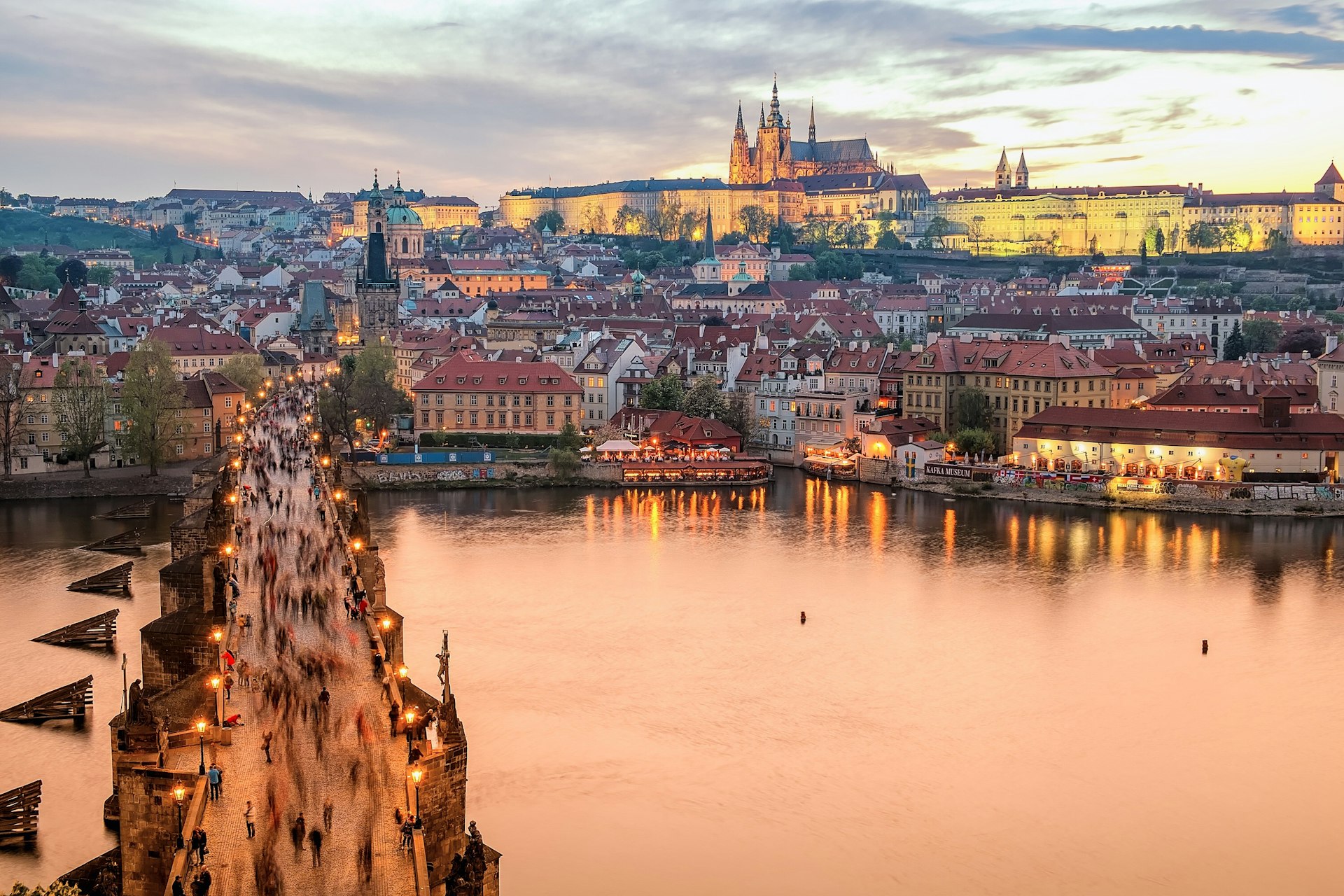
Prague Castle
A vast hilltop castle complex, said to be the largest ancient castle in the world, with a cathedral, palaces and lanes. The grounds are free to enter; a ticket covers the main buildings. Allow half a day.
11–21 USD 3 ó
 William Zhang / Unsplash
Booking sites sell to you. We protect you: verified price bands plus the exact tricks travellers hit in this place.
Not just a guide — a community. Travellers who've been here give real tips, and people going your dates are here to meet.
Prague is the capital of Czechia and one of Europe's best-preserved historic cities, a storybook skyline of spires, bridges and red rooftops rising above the River Vltava. Its heart is the medieval Old Town, centred on a grand square with the famous astronomical clock, linked by the statue-lined Charles Bridge to the…
A látnivalók és az élmények, amelyek megérdemlik az idődet — tisztességes árakkal.
LátnivalóA vast hilltop castle complex, said to be the largest ancient castle in the world, with a cathedral, palaces and lanes. The grounds are free to enter; a ticket covers the main buildings. Allow half a day.
 Látnivaló
The famous medieval stone bridge lined with statues, linking the Old Town with the castle side. Free to cross and busiest at midday, so come at dawn or after dark for space and better photos.
 Látnivaló
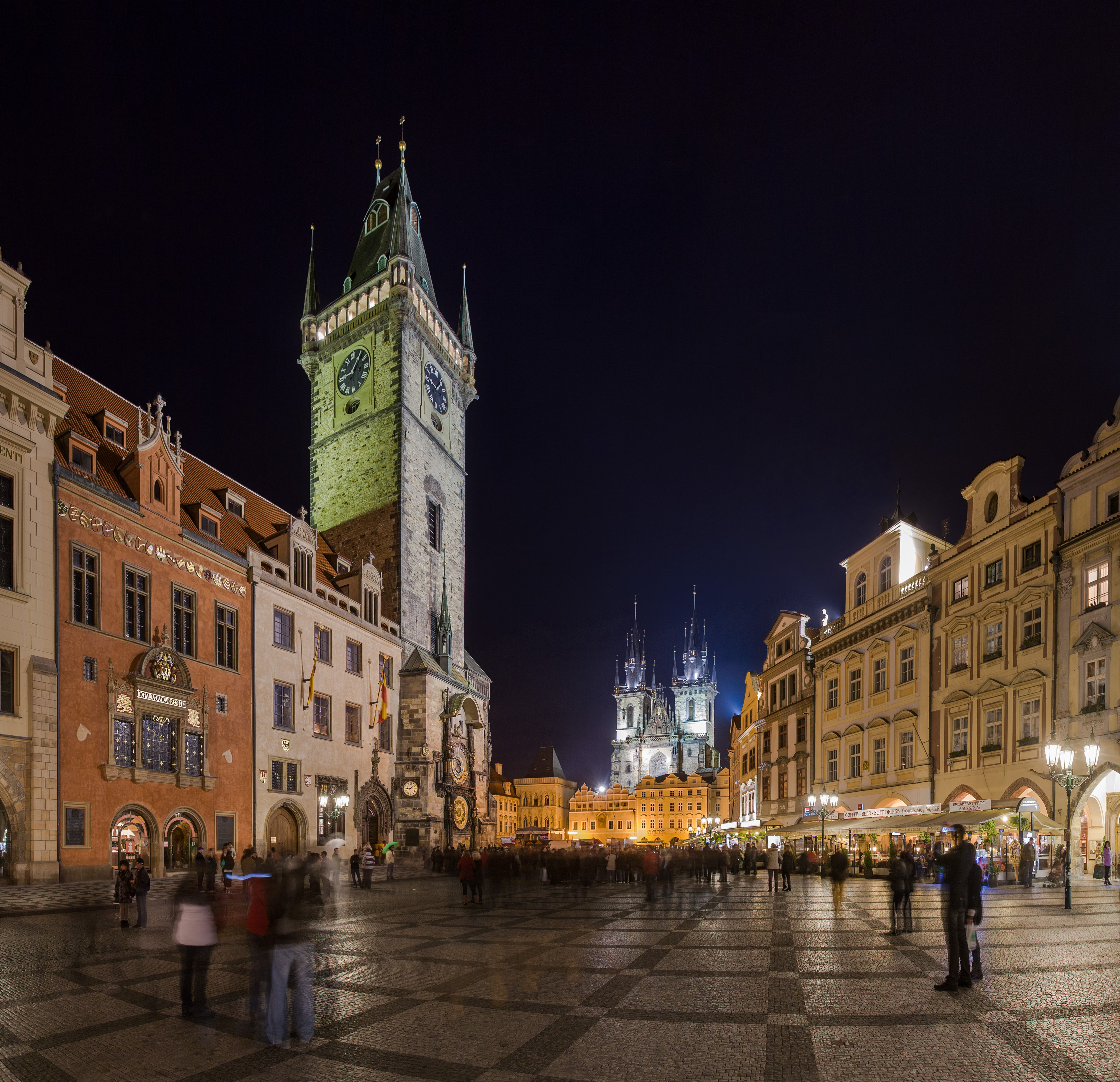
The grand central square ringed by pastel facades, the Gothic Tyn Church and cafes. Free to enjoy, though the terrace tables around it charge a premium for the setting.
 Látnivaló
The medieval clock on the Old Town Hall that puts on a small hourly show. Watching from the square is free; climbing the tower for the view over the rooftops is ticketed.
The must-try local dishes, sweets and fruits — including the exotic ones you won't find back home.
 DishKarelj / Wikimedia Commons (CC BY-SA 3.0)
The Czech national dish: braised beef sirloin in a creamy root-vegetable sauce, served with bread dumplings, a dollop of whipped cream and tart cranberry sauce. It is the dish locals point to first when asked what to order, sweet, tangy and rich all at once.
 DishDezidor / Wikimedia Commons (CC BY 3.0)
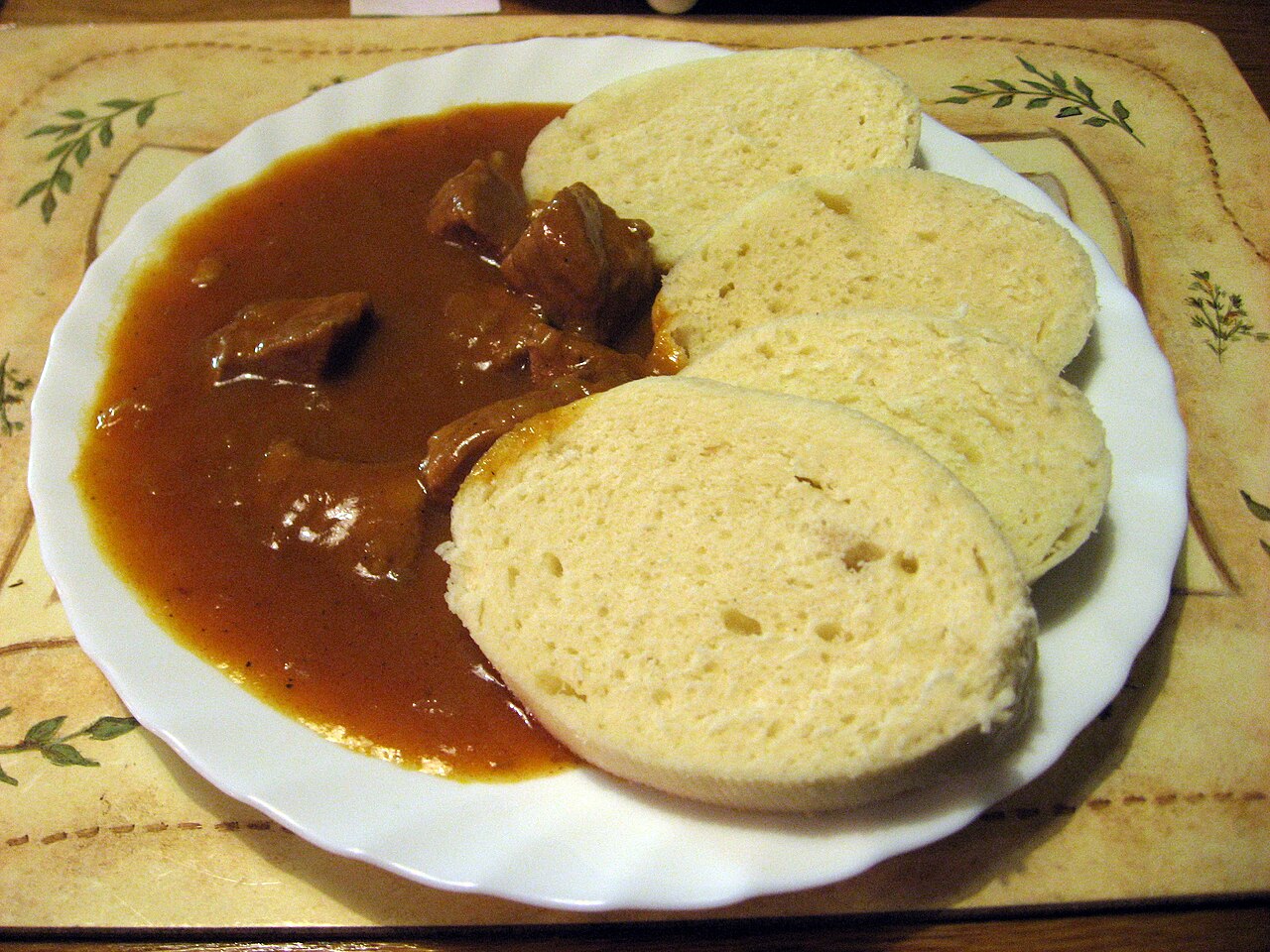
A thick, paprika-spiced beef stew in a dark onion gravy, closer to a hearty stew than the soupier Hungarian version, served with bread dumplings for mopping up the sauce. It is classic pub food, the kind of dish that pairs naturally with a glass of Czech lager.
 SweetFjmustak / Wikimedia Commons (CC BY-SA 4.0)
A hollow spiral pastry wrapped around a spit, roasted over open flame until golden, then rolled in cinnamon sugar and sometimes filled with ice cream or Nutella. It is not actually a traditional Czech recipe, but it has become one of Prague's most photographed street snacks, sold from carts all over the Old Town.
Prices and quality vary a lot between stalls; the ones with a visible open-flame roasting spit tend to be freshest.
 DrinkLordakryl / Wikimedia Commons (CC BY-SA 4.0)
A bittersweet herbal liqueur made in Karlovy Vary since 1807 from a closely guarded recipe of over twenty herbs and spices, served ice-cold as a shot or mixed with tonic. Its sharp, medicinal-herbal flavour is unlike any spirit most foreign visitors have tried, and locals treat it as a digestif rather than a party shot.
 Must-tryEric Litton / Wikimedia Commons (CC BY-SA 2.5)
Absinthe has been distilled in Czechia for over a century, and bars around the Old Town serve it with the traditional fire ritual: sugar on a slotted spoon is soaked in absinthe, set alight, then stirred into the glass. It is a genuinely theatrical, novel drinking experience for most visitors, though quality varies hugely between bars.
Skip the flashy cellar bars right on Old Town Square pushing the fire show at inflated prices; ask a local bartender for a proper, better-value pour instead.
Személyre szabott ajánlatok az érdeklődési köreid és a közeledben lévők alapján.
Ask, share, or connect with travelers nearby — and earn points.
Real restaurants, cafés, sights and things to do across the city — live from the map, with our fair-price and scam intelligence on top.
Amit a helyiek fizetnek — ellenőrizz egy ajánlatot, mielőtt készpénzben fizetnél.
Közvetlenül foglaltál? Sok szolgáltató 24 órán belül ingyenes lemondást kínál.
Set your city and dates — we open the live results, no inventory held
Flights to Prague
Compare flights & hotels on Aviasales — your city auto-detected, no extra fees.
Trzly compares across the big providers and points you to the cheapest. We don't take your booking or hold your money — we send you straight to the source, name the price, and warn you about scams.
Cheapest for you first — never by commission. When booking direct is cheaper, we say so, even when we earn nothing. Rank order is a function of price and trust only.
Hotels, apartments & guesthouses
Tours, tickets & local experiences
Restaurants, cafés & honest local prices
Trains, buses, transfers & car hire
The essentials most travellers book anyway — real providers for this destination.
Valós díjak, nem turista árak.
A city bus links the airport to the metro, which runs into the centre. The cheapest option on a standard transport ticket, with one easy change. Allow extra time with luggage.
A direct express coach connects the airport with the main railway station in the centre. Costs a little more than the local bus but is simpler with luggage.
A pre-booked transfer or ride-hailing app gives a fair, fixed price. Avoid unmarked drivers touting at the airport, who often charge far above the proper fare.
A clean, fast three-line metro covers the city and connects with trams and buses. Easy to use and cheap on time-based tickets, though many central sights are close together on foot.
An extensive tram network is scenic and handy for the hills up to the castle and across the river. The same time-based ticket covers trams, metro and buses.
The historic core is compact and full of pedestrian lanes, best explored on foot. Comfortable shoes help on the cobbles and the climb up to the castle.
Late spring (April to June) and early autumn (September to October) bring mild, pleasant weather and thinner crowds than midsummer. July and August are warm and very busy, while winter is cold but atmospheric, especially around the Christmas markets.
Two to three days covers the Old Town, Charles Bridge, the castle and a river view at a comfortable pace, with time for a beer hall and a quieter neighbourhood.
No. Czechia uses the Czech koruna, not the euro. Pay in koruna, use ATMs rather than street exchange booths, and always choose koruna when a card machine offers your home currency.
It is cheaper than most of Western Europe, especially for food and beer, but prices right on the main tourist squares are inflated. A short walk into side streets brings fair local prices.
A city bus to the metro, then the metro, on a standard transport ticket is the cheapest option. An express bus to the main station is simpler with luggage, and pre-booked transfers avoid taxi scams.
The historic centre is compact and very walkable, with most sights close together. Cobbles and the castle hill can be tiring, so comfortable shoes and the odd tram ride help.
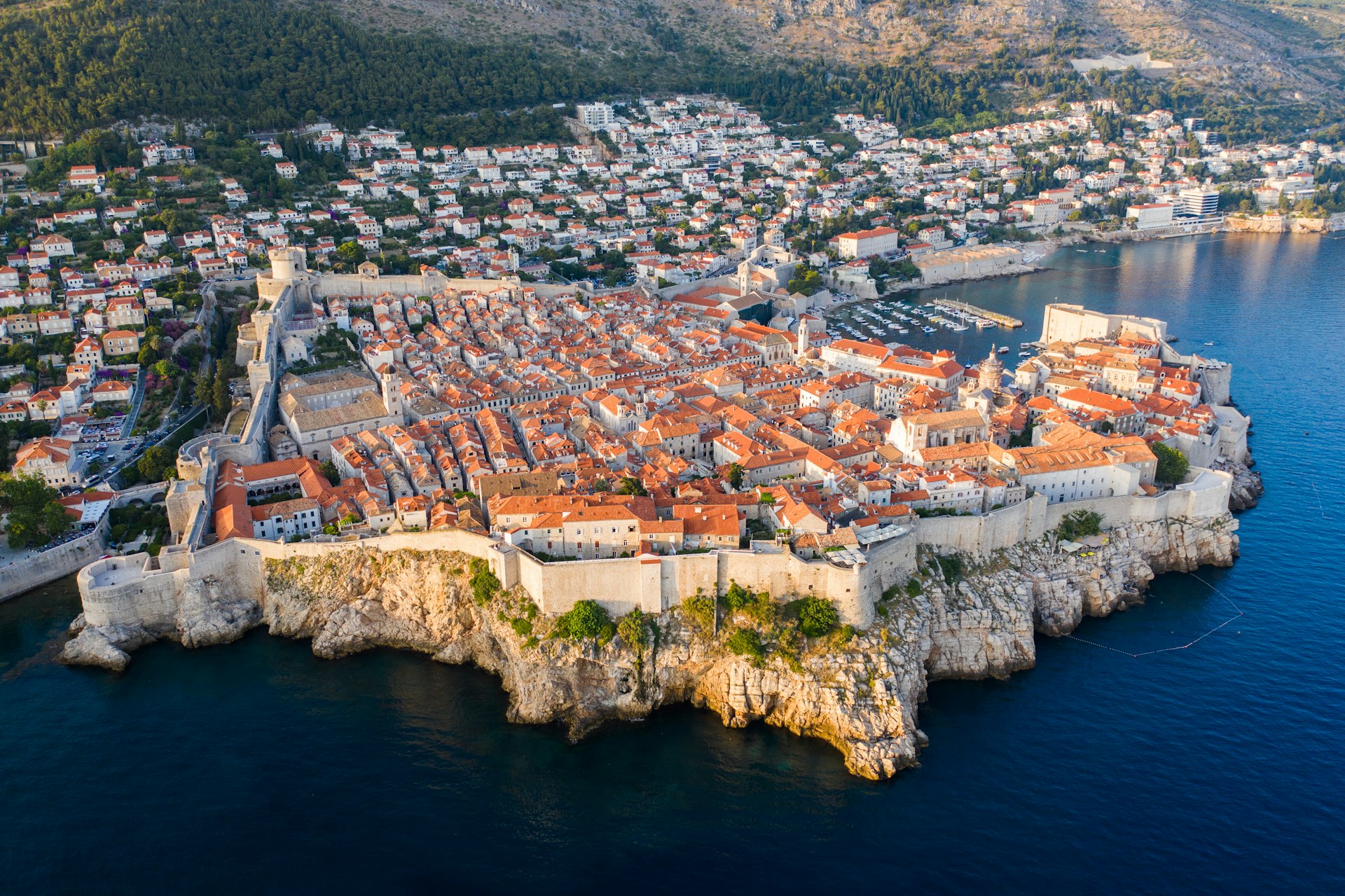
Places like Prague — real prices, real scam warnings, honestly checked.
 Ellenőrizve
 Átnézve
 Átnézve
 Ellenőrizve