 Látnivaló
The Acropolis
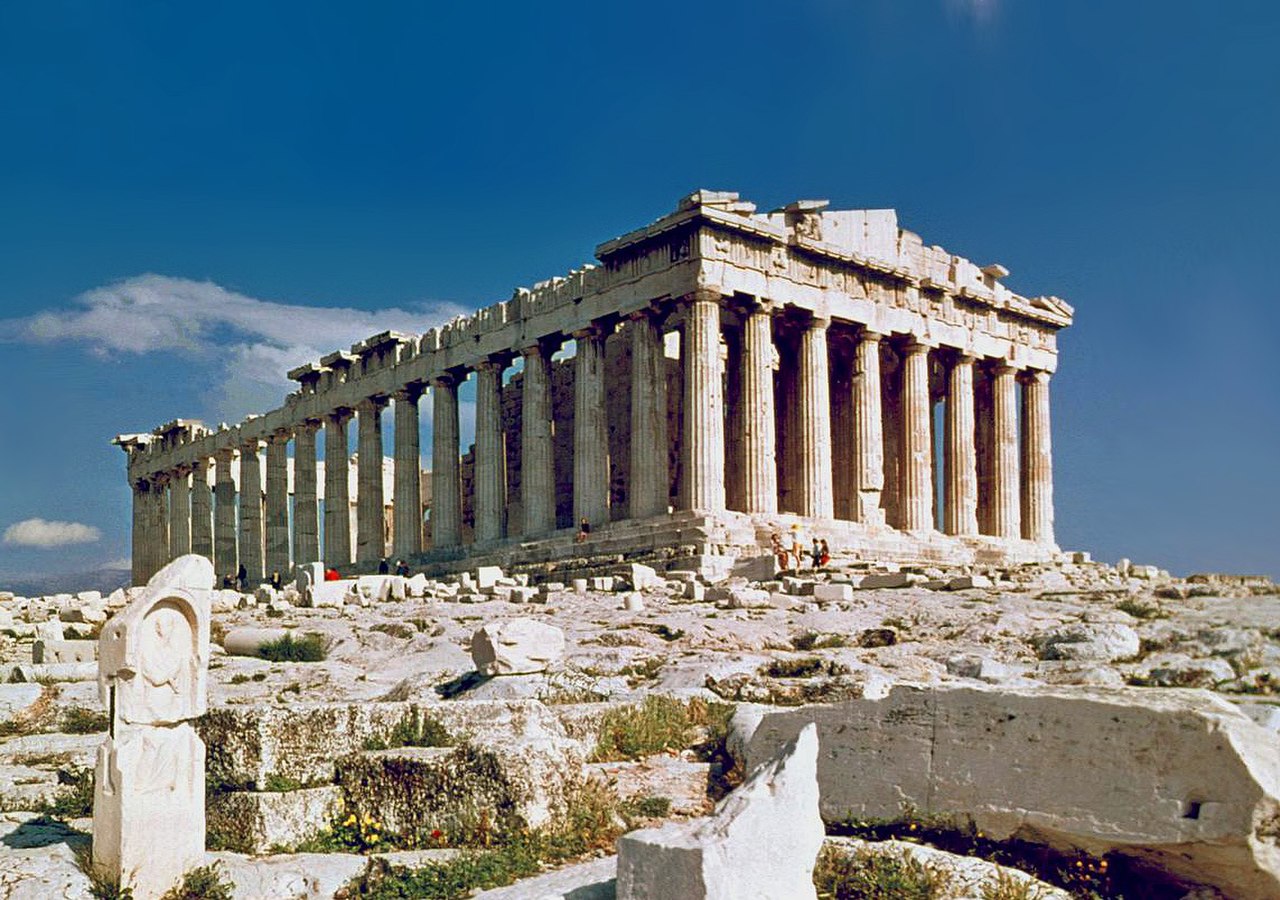
The ancient citadel crowned by the Parthenon, the symbol of Athens. Buy a timed ticket online, arrive early or late to beat the heat and crowds, and wear grippy shoes for the smooth, slippery marble.
22–32 USD 2,5 ó
 Constantinos Kollias / Unsplash
Booking sites sell to you. We protect you: verified price bands plus the exact tricks travellers hit in this place.
Not just a guide — a community. Travellers who've been here give real tips, and people going your dates are here to meet.
Athens is the capital of Greece and one of the world's oldest cities, where classical ruins rise above a busy, modern Mediterranean capital. The Acropolis and its Parthenon crown the city from a rocky hilltop, watching over ancient marketplaces, Roman remains and the maze-like old quarter of Plaka below. Beyond the…
A látnivalók és az élmények, amelyek megérdemlik az idődet — tisztességes árakkal.
LátnivalóThe ancient citadel crowned by the Parthenon, the symbol of Athens. Buy a timed ticket online, arrive early or late to beat the heat and crowds, and wear grippy shoes for the smooth, slippery marble.
 Látnivaló
A modern museum at the foot of the hill displaying the sculptures and finds from the Acropolis, with glass floors over ongoing excavations. A cool, shaded complement to the ruins above.
 Látnivaló
The heart of public life in classical Athens, with the well-preserved Temple of Hephaestus and a small museum. Usually included in a combined ticket with the Acropolis and other sites.
 Élmény
The charming old neighbourhood below the Acropolis, a maze of narrow lanes, tavernas and souvenir shops. Free to wander and lovely in the evening, though prices are higher near the main streets.
The must-try local dishes, sweets and fruits — including the exotic ones you won't find back home.
 DishBreawycker / Wikimedia Commons (CC BY-SA 4.0)
Small skewers of grilled pork or chicken, usually wrapped in warm pita with tomato, onion and tzatziki, Greece's favourite cheap street food. Athenians eat it constantly, standing at a counter or on the go.
A 'souvlaki pita' wrap and a plated 'souvlaki portion' with fries and salad are different orders, so specify which you want.
 DishDieter Mueller / Wikimedia Commons (CC BY-SA 3.0)
A baked layered dish of fried eggplant, spiced minced meat and a thick béchamel topping, one of Greece's best-known comfort foods. It is hearty, rich and found on nearly every taverna menu in the city.
 Sweetavlxyz / Wikimedia Commons (CC BY-SA 2.0)
Small deep-fried dough balls drizzled with honey syrup, cinnamon and crushed walnuts, often called the world's oldest recorded dessert. Ancient Olympic victors are said to have been rewarded with them, and Athens has dedicated loukoumades shops today.
Eat them hot and fresh; they lose their crisp shell quickly once they cool.
 DrinkBeemwej / Wikimedia Commons (CC BY-SA 3.0)
Greece's national anise-flavoured spirit, clear in the glass but turning milky white when mixed with water or ice, traditionally sipped slowly alongside small meze plates. It is a genuine Athenian ritual to experience at a taverna table.
 DishΙΣΧΣΝΙΚΑ-888 / Wikimedia Commons (CC BY-SA 3.0)
Seasoned lamb or goat offal wrapped and grilled inside the animal's intestines, a traditional dish especially associated with Greek Easter celebrations. It sounds intimidating, but is a genuinely popular, deeply traditional taste for adventurous eaters.
It is easiest to find around Easter, though some tavernas and grill houses serve it year-round.
Személyre szabott ajánlatok az érdeklődési köreid és a közeledben lévők alapján.
Ask, share, or connect with travelers nearby — and earn points.
Real restaurants, cafés, sights and things to do across the city — live from the map, with our fair-price and scam intelligence on top.
Amit a helyiek fizetnek — ellenőrizz egy ajánlatot, mielőtt készpénzben fizetnél.
Közvetlenül foglaltál? Sok szolgáltató 24 órán belül ingyenes lemondást kínál.
Hogyan működik: Drivers claim the meter is broken, quote an inflated flat price, run a higher night tariff by day, or add invented surcharges, especially on airport and port runs.
Hogyan kerülheted el: Know the fixed airport fare in advance, insist on the meter or the set rate for the airport, use a ride-hailing app where possible, and pay with small, counted notes.
Set your city and dates — we open the live results, no inventory held
Flights to Athens
Compare flights & hotels on Aviasales — your city auto-detected, no extra fees.
Trzly compares across the big providers and points you to the cheapest. We don't take your booking or hold your money — we send you straight to the source, name the price, and warn you about scams.
Cheapest for you first — never by commission. When booking direct is cheaper, we say so, even when we earn nothing. Rank order is a function of price and trust only.
Hotels, apartments & guesthouses
Tours, tickets & local experiences
Restaurants, cafés & honest local prices
Trains, buses, transfers & car hire
The essentials most travellers book anyway — real providers for this destination.
Valós díjak, nem turista árak.
Line 3 runs directly from the airport into central Athens for a set airport fare. Cheap and reliable, though it can be crowded and needs a change for some districts.
The X95 express bus links the airport with the central Syntagma square around the clock. Cheaper than the metro and useful at night, but slower and subject to traffic.
Licensed taxis charge a flat fare between the airport and the centre, higher at night. Best for groups or heavy luggage. Confirm the set rate and use only the official rank.
A clean, modern network linking the main sights, the airport and the port at Piraeus. The easiest way to move across the city. Buy and validate a ticket before boarding.
A wide surface network fills the gaps the metro misses. The same tickets and passes apply. Validate on boarding and watch belongings on busy routes.
The historic core from the Acropolis through Plaka and Monastiraki is compact and largely pedestrian. Comfortable, grippy shoes are best on the smooth stone.
Spring (April to June) and autumn (September to October) offer warm, pleasant weather ideal for sightseeing and the islands. July and August are very hot, with occasional heatwaves that can close the Acropolis in the afternoon, while winter is mild, quiet and cheaper but cooler and sometimes wet.
Two to three days covers the Acropolis, the main museums and the old town at a comfortable pace, with time for rooftop views, good food and perhaps a nearby day trip.
Yes if you plan to see several ancient sites, as a combined ticket covers the Acropolis, the Agora and others and can save money. Book the Acropolis timed entry online to skip the longest queues.
The metro Line 3 is the cheapest direct option, and the X95 express bus is a good round-the-clock alternative. Official taxis charge a fixed fare and suit groups with luggage.
Yes. The port of Piraeus is a short metro ride from the centre and offers ferries to many islands. Athens works well as a start or end point around an island trip.
Tap water in central Athens is generally considered safe to drink, though many visitors prefer bottled water for taste. On the islands, water quality varies, so check locally.
Places like Athens — real prices, real scam warnings, honestly checked.


 Átnézve

