Trzly.
0
Trzly · 일본 Kyoto
Kyoto
Basile Morin / CC BY-SA 4.0 — Wikimedia Commons
신뢰할 수 있는 가이드 · 사기 보호

Kyoto

Japan's old imperial capital of temples, gardens and geisha

신뢰도 81%
2026년 8월 4일 검증 · 출처 2개 · 신뢰도 81%

개요

Kyoto was Japan's capital for over a thousand years, and it remains the country's cultural heart, packed with temples, shrines, wooden machiya houses and immaculate gardens. Where Tokyo dazzles with the modern, Kyoto rewards a slower pace, from the thousands of vermilion torii gates climbing the hill at Fushimi Inari to the golden pavilion of Kinkaku-ji and the bamboo groves of Arashiyama. The historic Gion district still hosts geiko and maiko, and evenings there feel like stepping into another era. The city is compact enough to explore by a mix of bus, subway and walking, though its most famous sights can get very crowded, so early starts and quieter temples pay off. Kyoto is also a place to slow down over a bowl of matcha, a kaiseki meal or a stroll along the Philosopher's Path. Respectful behaviour matters here, especially around private lanes and working geisha. A few days let you balance the headline sights with the calm corners that make the city special.

할 거리

시간을 들일 가치가 있는 명소와 체험——정직한 가격과 함께.

Fushimi Inari Shrine

명소

The famous Shinto shrine with thousands of vermilion torii gates winding up a wooded hillside. Free to enter and open at all hours; go early or late to walk the upper paths in peace.

무료 2.5시간

Kinkaku-ji (Golden Pavilion)

명소

A Zen temple whose top floors are covered in gold leaf, mirrored in a tranquil pond. A modest ticket applies; it is small and busy, so arrive at opening for the best light.

JP¥469~938 · US$3~6 1시간

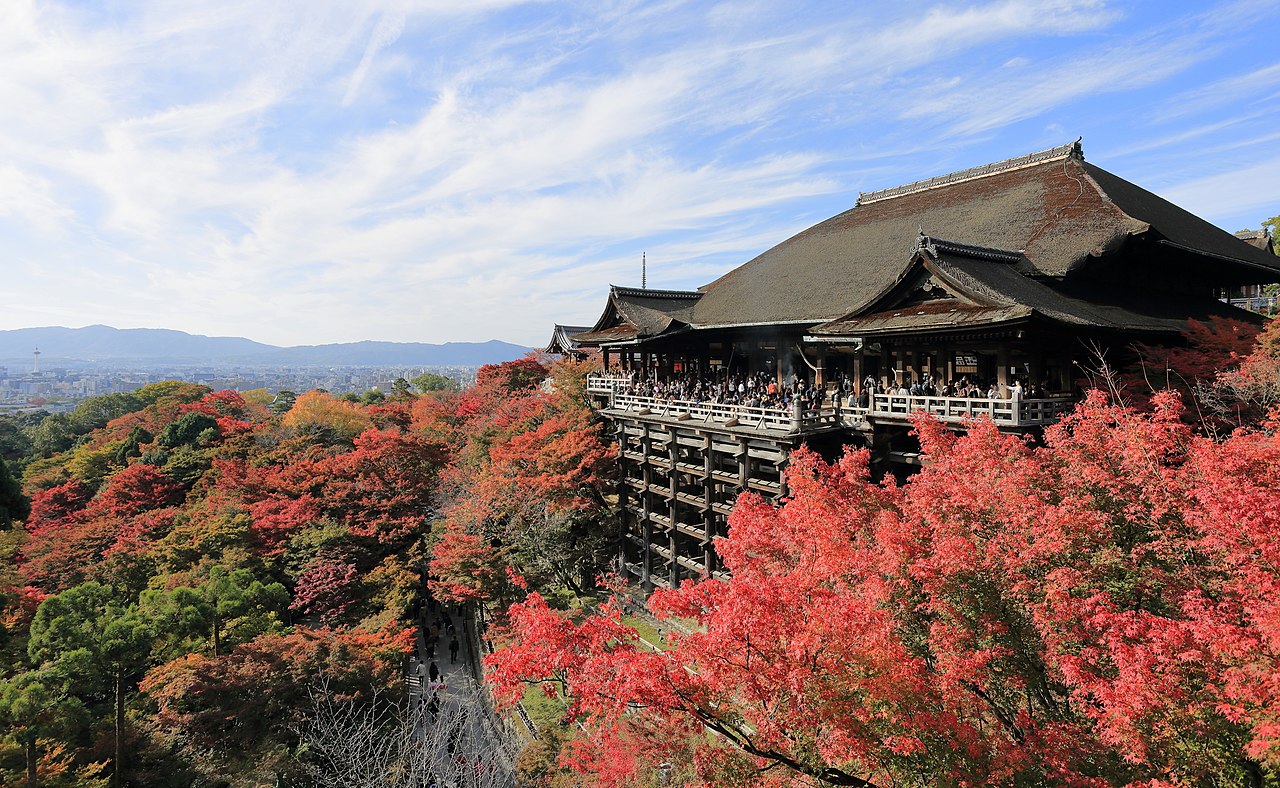
Kiyomizu-dera

명소

A hillside Buddhist temple with a large wooden veranda and sweeping views over the city. A small ticket applies; the approach lanes are full of traditional shops and snacks.

JP¥469~938 · US$3~6 1.5시간

Arashiyama Bamboo Grove

명소

A short, atmospheric path through towering bamboo on the city's western edge. Free to walk; come at dawn to experience it without crowds, and pair it with nearby temples.

무료 1시간

Gion district

체험

Kyoto's historic geisha quarter of wooden teahouses and lantern-lit lanes. Free to wander in the evening, but respect residents and any no-photography rules on private streets.

무료 1.5시간

Nishiki Market

체험

A narrow covered market known as Kyoto's kitchen, lined with stalls of pickles, sweets, seafood and street snacks. Free to browse; sample as you go and mind the crowds.

무료 1.3시간

Nijo Castle

명소

A former shogunate residence with ornate halls, famous nightingale floors and landscaped gardens. A modest ticket applies and it is far less crowded than the top temples.

JP¥938~1,563 · US$6~10 1.5시간

공정가와 사기 방패

현지인이 내는 값——돈을 건네기 전에 견적을 확인하세요.

Single bus or subway ride
1회당
JP¥219~406 · US$1~3

An ICOCA or Suica IC card works on Kyoto buses and trains. Flat city-bus fares are simple, and a day pass can pay off if you ride buses several times.

Haruka express train
1인당
JP¥2,813~3,750 · US$18~24

The direct airport express reaches Kyoto Station from Kansai Airport comfortably. If arriving from Tokyo, the bullet train from Tokyo is the fastest link.

Temple or shrine entry
1인당
JP¥469~1,250 · US$3~8

Most temple tickets are small and paid at the gate. Many shrines like Fushimi Inari are free, so budget mainly for the famous paid temples you most want to see.

Mid-range restaurant meal
1인당
JP¥1,406~4,063 · US$9~26

Set lunches are excellent value, especially near sights. For a splurge, book a kaiseki dinner ahead; there is no tipping in Japan.

Matcha and a sweet
1인당
JP¥781~1,875 · US$5~12

A traditional tea house serving matcha with a seasonal sweet is a lovely, affordable pause. Prices near major temples run a little higher.

Convenience-store meal
per item
JP¥469~1,250 · US$3~8

Convenience stores offer cheap, good rice balls, sandwiches and coffee, ideal for a quick breakfast or a picnic between temples.

Short city taxi ride
1회당
JP¥781~2,188 · US$5~14

Metered taxis are honest and useful for hilltop temples or when buses are packed. Doors open automatically and drivers do not expect a tip.

가격 확인——Single bus or subway ride

흔한 사기

Geisha photo hustle
중간

수법: In Gion, people in rented kimono or costume pose as geisha, or aggressive photographers chase real maiko, sometimes charging tourists for a 'photo opportunity' or blocking private lanes.

피하는 법: Do not pay strangers for photos and do not chase or crowd working geisha. Respect posted no-photography rules on private streets, and book a proper cultural experience if you want photos.

Unofficial guide or tour
중간

수법: Someone offers a 'free' or cheap guided walk around the temples or Gion, then pressures you for a large fee or steers you into shops that pay them commission.

피하는 법: Use only reputable, clearly priced tours booked in advance. Decline unsolicited guides, and never agree to an open-ended 'tip me what you like' arrangement.

Taxi route and fare tricks
중간

수법: A small number of drivers take long routes to hilltop sights, claim the meter is broken, or quote an inflated flat fare to popular temples.

피하는 법: Insist on the meter, use official taxi ranks or a hailing app, and check the route on your phone. Know that buses and trains reach most sights cheaply.

Fake monk donation cards
낮음

수법: A person dressed as a monk near busy temple approaches, offers a bracelet or card, and presses you to sign a book and donate a set amount.

피하는 법: Genuine monks do not solicit tourists this way. Decline politely, do not take the item, and continue on without engaging.

가는 길과 현지 이동

관광객 가격이 아닌 실제 요금.

가는 길
Haruka express train 1.3시간JP¥2,813~3,750 · US$18~24

A direct limited express from Kansai Airport to Kyoto Station in around 75 to 90 minutes. The simplest rail link if you land at Kansai.

Airport bus 1.7시간JP¥1,875~2,813 · US$12~18

Coaches run from Kansai Airport to Kyoto Station. Cheaper than the express and convenient with luggage, though slower and subject to traffic.

Bullet train from Tokyo 2.3시간JP¥14,063~15,625 · US$90~100

If arriving from Tokyo, the shinkansen reaches Kyoto in well under three hours. Fast and comfortable, and covered by the Japan Rail Pass if you hold one.

현지 이동
City busesJP¥219~406 · US$1~3

An extensive bus network reaches most temples and districts, often the best way to the hilltop sights. Use an IC card and consider a day pass if riding often.

Subway and trainsJP¥219~406 · US$1~3

Two subway lines plus private railways link the centre with Arashiyama, Fushimi and beyond. Cleaner of traffic than buses for longer hops.

City taxiJP¥781~2,188 · US$5~14

Metered and reliable, handy for hilltop temples or late evenings. Best value shared between a few people; doors open automatically.

방문하기 좋은 시기

3월–5월 및 10월–11월

Spring (late March to May) is prized for cherry blossom and autumn (October to November) for vivid maple colour, both with pleasant weather but larger crowds. Summer is hot and humid, while winter is cold and quiet with occasional light snow that looks beautiful on the temples.

안전

주의Kyoto summers are hot and very humid, and temple walks offer little shade. Carry water, use the frequent vending machines, and plan strenuous sights like Fushimi Inari for cooler morning hours.
주의The most famous temples and the bamboo grove get extremely busy, especially in blossom and autumn seasons. Arrive at opening, visit lesser-known temples, and keep valuables secure in crowds.
주의Kyoto has strict etiquette around private lanes, temples and geisha. Follow no-photography signs, do not enter private property, keep your voice down in temples, and be respectful of residents in Gion.

숨은 명소

Walk the Philosopher's Path between temples in early morning for a calm, tree-lined stroll along a canal.
Visit a lesser-known temple like Tofuku-ji or Nanzen-ji for grand architecture and gardens with far fewer crowds.
Climb the full Fushimi Inari trail to the quiet upper shrines that most day visitors never reach.

자주 묻는 질문

How many days should I spend in Kyoto?

Three to four days lets you see the headline temples, the Arashiyama and Fushimi areas, and Gion at a relaxed pace, with time for a day trip to Nara or Osaka.

What is the best way to get around Kyoto?

A mix of city buses, subway and walking covers most sights. An IC card works on both, and a bus day pass can save money if you ride buses several times a day.

When can I see cherry blossom or autumn leaves?

Cherry blossom typically peaks around late March to early April and autumn colour around mid to late November, but exact timing shifts each year, so check forecasts close to your trip.

Can I see a real geisha in Gion?

You may glimpse geiko or maiko heading to appointments in the evening, but they are working professionals. Watch respectfully from a distance, follow photography rules, and never chase or block them.

Is Kyoto a good day trip from Osaka or Tokyo?

It works as a day trip from nearby Osaka, but Tokyo is too far for a comfortable day return. Kyoto really deserves at least a couple of nights to do it justice.

Kyoto 사기——도착 전에 읽어보세요
모든 서비스의 공정가와 사기 보호.
업데이트됨 · 2개의 검증된 출처에서 · 수치는 게시 전 자동 확인됩니다.