명소
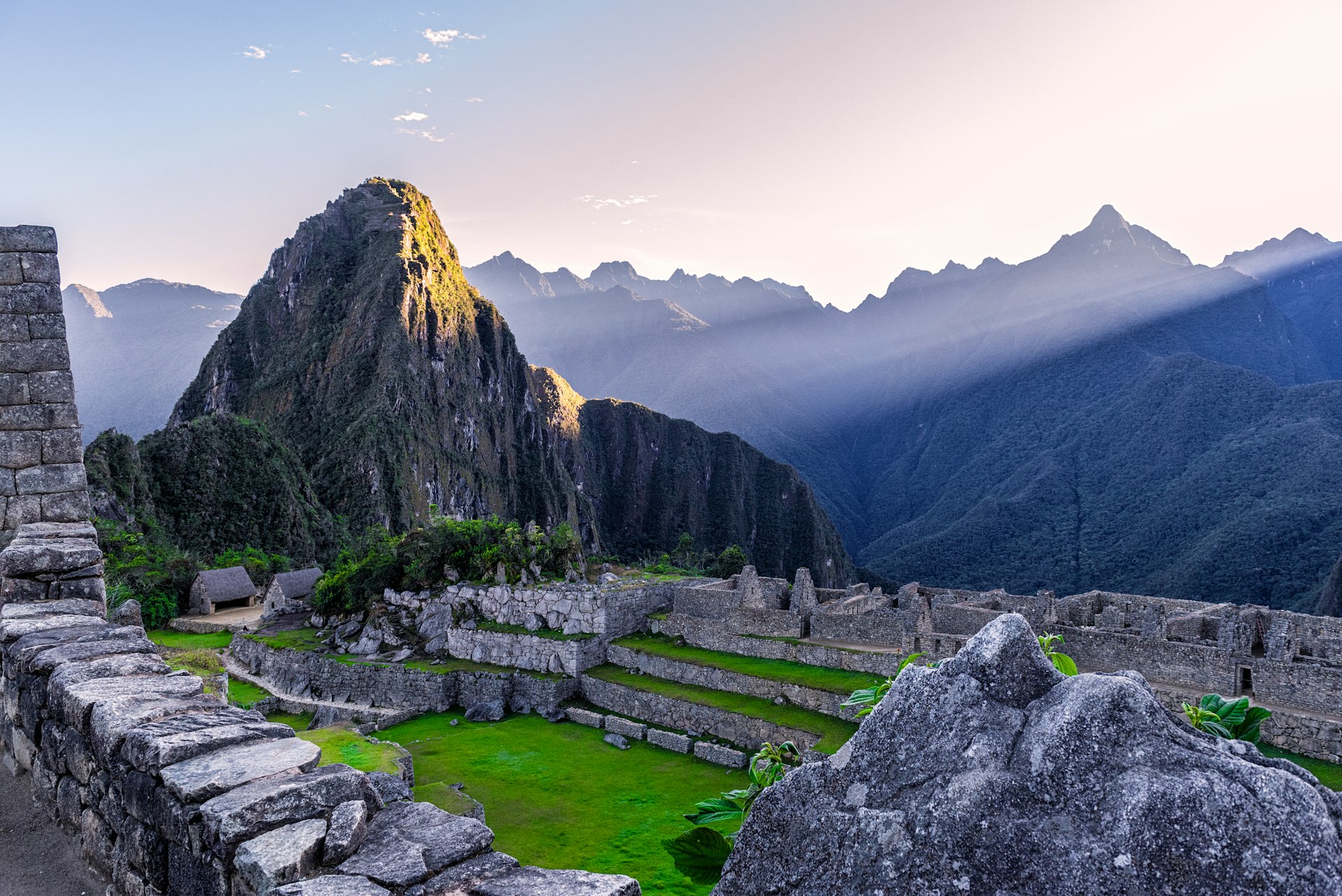
Machu Picchu
The world-famous Inca citadel set on a mountain ridge, reached by train and bus with a timed entry ticket. Book the ticket and transport well ahead, as daily numbers are limited.
US$40~60 4시간
 Jair Garciaferro / Unsplash
Booking sites sell to you. We protect you: verified price bands plus the exact tricks travellers hit in this place.
Not just a guide — a community. Travellers who've been here give real tips, and people going your dates are here to meet.
Cusco is the historic heart of the Andes and the former capital of the Inca empire, set high in the Peruvian mountains at around 3,400 metres. Its steep cobbled streets mix massive Inca stone walls with Spanish colonial churches and arcaded plazas, and its markets and workshops keep Andean culture vividly alive. For…
시간을 들일 가치가 있는 명소와 체험——정직한 가격과 함께.
The world-famous Inca citadel set on a mountain ridge, reached by train and bus with a timed entry ticket. Book the ticket and transport well ahead, as daily numbers are limited.
A day among Inca ruins, terraces and market towns in the valley below Cusco, often visited on a tour or by shared transport. A good acclimatisation trip before Machu Picchu.
The old town of Inca walls, colonial churches and the main plaza, free to explore on foot. Wander slowly at altitude and enjoy the cafes, balconies and stonework.
A striking multi-coloured mountain high in the Andes, visited on a long, early-start day tour. The trail is at very high altitude, so acclimatise in Cusco first and go slowly.
The must-try local dishes, sweets and fruits — including the exotic ones you won't find back home.
A traditional Andean dish predating the Inca, usually roasted whole until the skin is crisp — one of the most talked-about novel foods travelers try in Cusco.
A lean, tender Andean meat often grilled simply on a hot volcanic stone — a distinctive regional specialty rarely found outside the Andes.
Skewers of marinated, grilled beef heart in a spiced aji sauce — an ancient Andean street-food classic that's far tastier than it sounds.
Peru's national cocktail: grape brandy shaken with lime juice, syrup and egg white into a frothy, tangy drink invented in Lima in the 1920s.
A non-alcoholic purple corn drink simmered with pineapple, cinnamon and cloves — sweet, fruity and served at nearly every restaurant in Peru.
당신의 관심사와 주변 정보를 바탕으로 한 맞춤 추천.
Ask, share, or connect with travelers nearby — and earn points.
Real restaurants, cafés, sights and things to do across the city — live from the map, with our fair-price and scam intelligence on top.
현지인이 내는 값——돈을 건네기 전에 견적을 확인하세요.
이런 가격은 날짜가 가까워질수록 내려가는 경우가 많습니다——일정이 유연하다면 기다려 볼 가치가 있어요.
Set your city and dates — we open the live results, no inventory held
Flights to Cusco
Compare flights & hotels on Aviasales — your city auto-detected, no extra fees.
Trzly compares across the big providers and points you to the cheapest. We don't take your booking or hold your money — we send you straight to the source, name the price, and warn you about scams.
Cheapest for you first — never by commission. When booking direct is cheaper, we say so, even when we earn nothing. Rank order is a function of price and trust only.
Hotels, apartments & guesthouses
Tours, tickets & local experiences
Restaurants, cafés & honest local prices
Trains, buses, transfers & car hire
The essentials most travellers book anyway — real providers for this destination.
관광객 가격이 아닌 실제 요금.
Most visitors fly in from Lima or other Peruvian cities, which is by far the fastest way. Book ahead in high season and allow a rest day for the altitude on arrival.
Comfortable coaches link Cusco with other regions such as the south and the coast. Much cheaper than flying but far longer; overnight services save a day.
The airport is close to the centre, so the ride is short and cheap. Use the official taxi desk or a booking app and agree the fare to avoid overcharging on arrival.
Handy for the steep streets and after dark. Fares are low but there are no meters, so agree the price first or use an app, and prefer clearly marked taxis.
Shared minibuses and cars are the cheapest way to reach the Sacred Valley and outer districts. Basic and crowded but very economical; watch your belongings.
The historic core is compact and best seen on foot, though the hills feel harder at altitude. Take it slowly, especially in your first day or two.
The dry season from May to September brings sunny days and clear skies, ideal for Machu Picchu and mountain trails, though nights are cold and it is the busiest, priciest time. The wet season from November to March is greener and quieter but brings frequent afternoon rain and some trail closures.
Plan at least three to four days to acclimatise, see the Sacred Valley and visit Machu Picchu without rushing. Adding a rest day early on greatly reduces altitude problems.
Arrive slowly, rest on the first day, drink water and herbal tea, eat lightly and avoid heavy alcohol. Sleeping first in the lower Sacred Valley helps, and seek medical advice if you feel very unwell.
Most visitors take a train from the Sacred Valley to Aguas Calientes, then a short bus up to the site, with a timed entry ticket. Book the ticket, train and bus in advance, as places are limited.
Yes. Daily entry numbers are capped and popular dates and circuits sell out, so buy your entry ticket and train early through official channels rather than from street sellers.
The dry season from May to September offers the clearest weather for the mountains and ruins but is the busiest. The wetter months are quieter and greener, with more afternoon rain and the odd trail closure.
Places like Cusco — real prices, real scam warnings, honestly checked.



 검증됨
검증됨