 Látnivaló
Rijksmuseum
The national museum of the Netherlands, home to Dutch Golden Age masterpieces including works by Rembrandt and Vermeer. Book a timed ticket online in advance to skip the longest queues.
24–30 USD 3 ó
 Javier M. / Unsplash
Booking sites sell to you. We protect you: verified price bands plus the exact tricks travellers hit in this place.
Not just a guide — a community. Travellers who've been here give real tips, and people going your dates are here to meet.
Amsterdam is the capital of the Netherlands, a compact and walkable city built around a ring of seventeenth-century canals lined with narrow gabled houses. It is famous for its museums, from the Rijksmuseum and the Van Gogh Museum to the moving Anne Frank House, and for a relaxed, tolerant atmosphere. Bicycles rule…
A látnivalók és az élmények, amelyek megérdemlik az idődet — tisztességes árakkal.
LátnivalóThe national museum of the Netherlands, home to Dutch Golden Age masterpieces including works by Rembrandt and Vermeer. Book a timed ticket online in advance to skip the longest queues.
 Látnivaló
The world's largest collection of Van Gogh's paintings and letters, tracing his life and work. Entry is by timed online ticket only, so book ahead as same-day tickets often sell out.
 Látnivaló
The canal-side house with the secret annexe where Anne Frank hid during the Second World War. Tickets are released online in advance and sell out fast, so book the moment they appear.
 Élmény
A boat tour of the historic canal ring, the best way to see the gabled houses and bridges from the water. Prices vary widely, so a simple hop-on scheduled boat is better value than a luxury tour.
The must-try local dishes, sweets and fruits — including the exotic ones you won't find back home.
 Sweet
SweetTwo thin waffles pressed around a gooey caramel-syrup filling — the Netherlands' best-known treat, best eaten warm off a market griddle.
 Must-try
Lightly cured young herring, traditionally held by the tail and lowered into the mouth in one bite with chopped onion and pickle — a 600-year-old Dutch tradition that surprises most first-time visitors.
 Dish
DishDeep-fried, breadcrumb-coated balls of beef ragout served piping hot with mustard — the classic snack alongside a Dutch beer.
 Dish
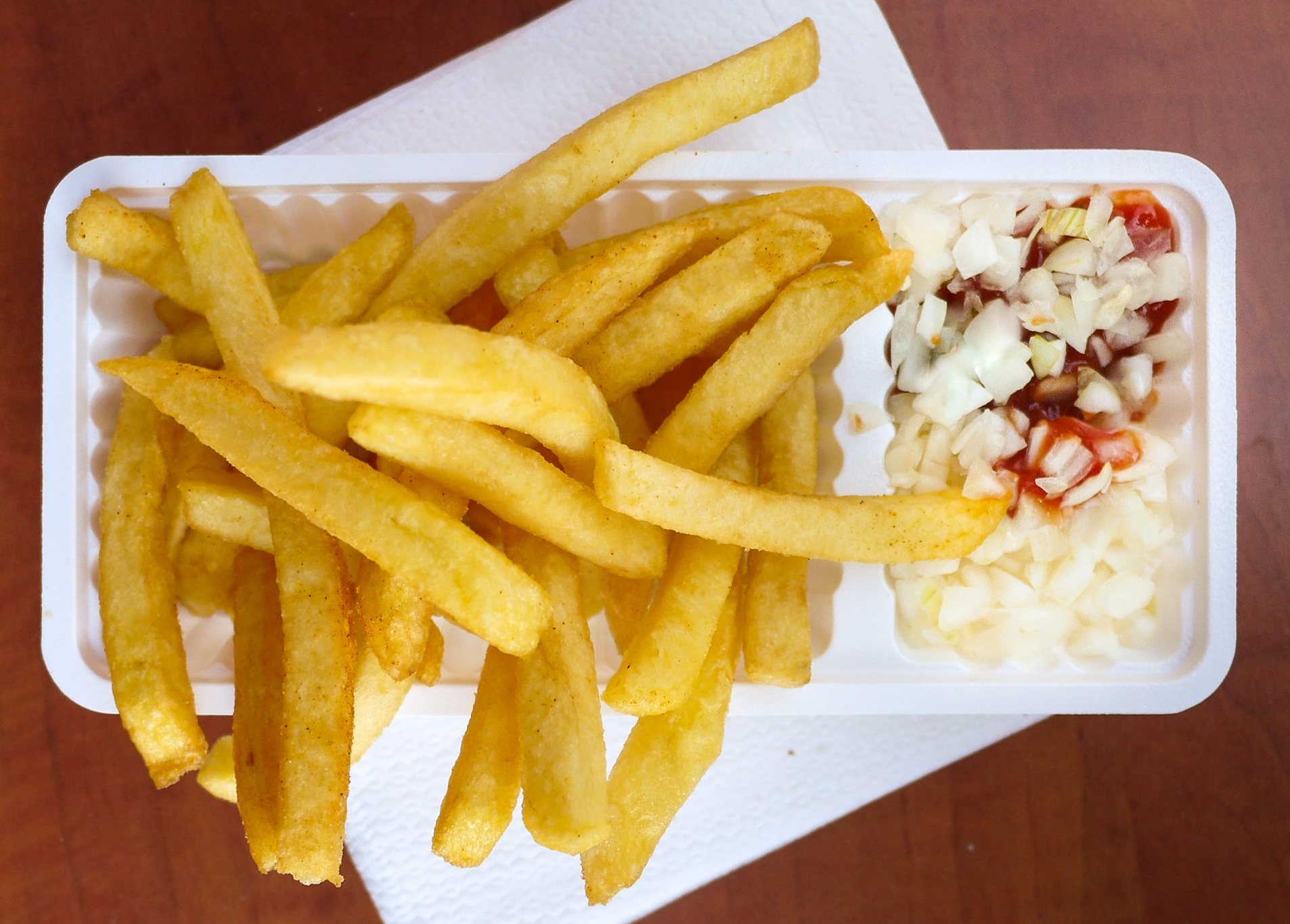
DishThick-cut Dutch fries served with a light, tangy mayonnaise-style sauce (or the double-sauce 'oorlog') — a late-night Amsterdam staple.
 Sweet
SweetSmall, fluffy yeasted mini-pancakes dusted with powdered sugar and butter, cooked to order on a special cast-iron pan — a favourite market treat.
Személyre szabott ajánlatok az érdeklődési köreid és a közeledben lévők alapján.
Ask, share, or connect with travelers nearby — and earn points.
Real restaurants, cafés, sights and things to do across the city — live from the map, with our fair-price and scam intelligence on top.
Amit a helyiek fizetnek — ellenőrizz egy ajánlatot, mielőtt készpénzben fizetnél.
Kérdezz rá a tagsági vagy csak-appos árra — ez gyakran rejtve van a nyilvános ártól.
Hogyan működik: Thieves work busy trams, Centraal station and crowded tourist spots, lifting phones and wallets during the crush of boarding or in a staged jostle.
Hogyan kerülheted el: Keep your bag zipped and in front, hold your phone securely, and be extra alert when a tram is packed or someone bumps into you. Carry only what you need for the day.
Set your city and dates — we open the live results, no inventory held
Flights to Amsterdam
Compare flights & hotels on Aviasales — your city auto-detected, no extra fees.
Trzly compares across the big providers and points you to the cheapest. We don't take your booking or hold your money — we send you straight to the source, name the price, and warn you about scams.
Cheapest for you first — never by commission. When booking direct is cheaper, we say so, even when we earn nothing. Rank order is a function of price and trust only.
Hotels, apartments & guesthouses
Tours, tickets & local experiences
Restaurants, cafés & honest local prices
Trains, buses, transfers & car hire
The essentials most travellers book anyway — real providers for this destination.
Valós díjak, nem turista árak.
Frequent direct trains link Schiphol Airport with Amsterdam Centraal in under twenty minutes. The fastest and cheapest way into the city. Tap a contactless card or buy a ticket.
Buses connect the airport with parts of the city and some hotels. Useful if you are not staying near Centraal, but usually slower than the train and similar or higher in price.
Convenient door-to-door but far more expensive than the train, and slow in traffic. Use only the official taxi rank or a booked app car, never a driver touting inside.
The GVB tram network covers the centre thoroughly and is easy to use. Tap in and out with a contactless card or pass. Trams share the road, so board and alight with care.
Renting a bike is the most local way to get around the flat, cycle-friendly city. Use the marked bike lanes, signal clearly, and lock up securely to avoid theft.
The canal ring is compact and beautiful on foot. Watch for bikes and trams when crossing, and mind the unfenced canal edges, especially at night.
Spring and summer (April to September) bring the mildest weather, long daylight and the liveliest canal-side and park life, with tulip season peaking in April and May just outside the city. It is also the busiest and dearest time. Winter is cold and short on daylight but atmospheric and quieter.
Two to three days is enough to see the main museums, take a canal cruise and wander a couple of neighbourhoods without rushing. A fourth day lets you add a bike ride or a day trip.
Yes. The Anne Frank House, Van Gogh Museum and Rijksmuseum use timed online tickets that often sell out, especially the Anne Frank House. Book as early as you can.
Yes, but treat bike lanes like a road. Bikes move fast and have priority, so look both ways, cross decisively and never stand in a lane to take a photo.
Cards and contactless are widely accepted, including on all public transport. Some small shops or market stalls prefer cards over cash, so a bank card is the easiest way to pay.
Yes, Dutch tap water is clean and safe to drink. Carry a refillable bottle to save money rather than buying bottled water.
Places like Amsterdam — real prices, real scam warnings, honestly checked.
 Átnézve

 Átnézve
 Ellenőrizve