 Atrakcja
The Colosseum
The vast ancient amphitheatre at the heart of Rome. Book a timed ticket online in advance, as walk-up entry means long queues and exposure to touts selling overpriced skip-the-line offers.
18–28 USD 2 godz.
 David Köhler / Unsplash
Booking sites sell to you. We protect you: verified price bands plus the exact tricks travellers hit in this place.
Not just a guide — a community. Travellers who've been here give real tips, and people going your dates are here to meet.
Rome is Italy's capital and one of the world's great open-air museums, where ancient ruins, Renaissance palaces and Baroque fountains sit side by side with everyday city life. In a single day you can stand inside the Colosseum, toss a coin into the Trevi Fountain, gaze up at the Pantheon's dome and cross into the…
Atrakcje i doświadczenia godne Twojego czasu — z uczciwymi cenami.
AtrakcjaThe vast ancient amphitheatre at the heart of Rome. Book a timed ticket online in advance, as walk-up entry means long queues and exposure to touts selling overpriced skip-the-line offers.
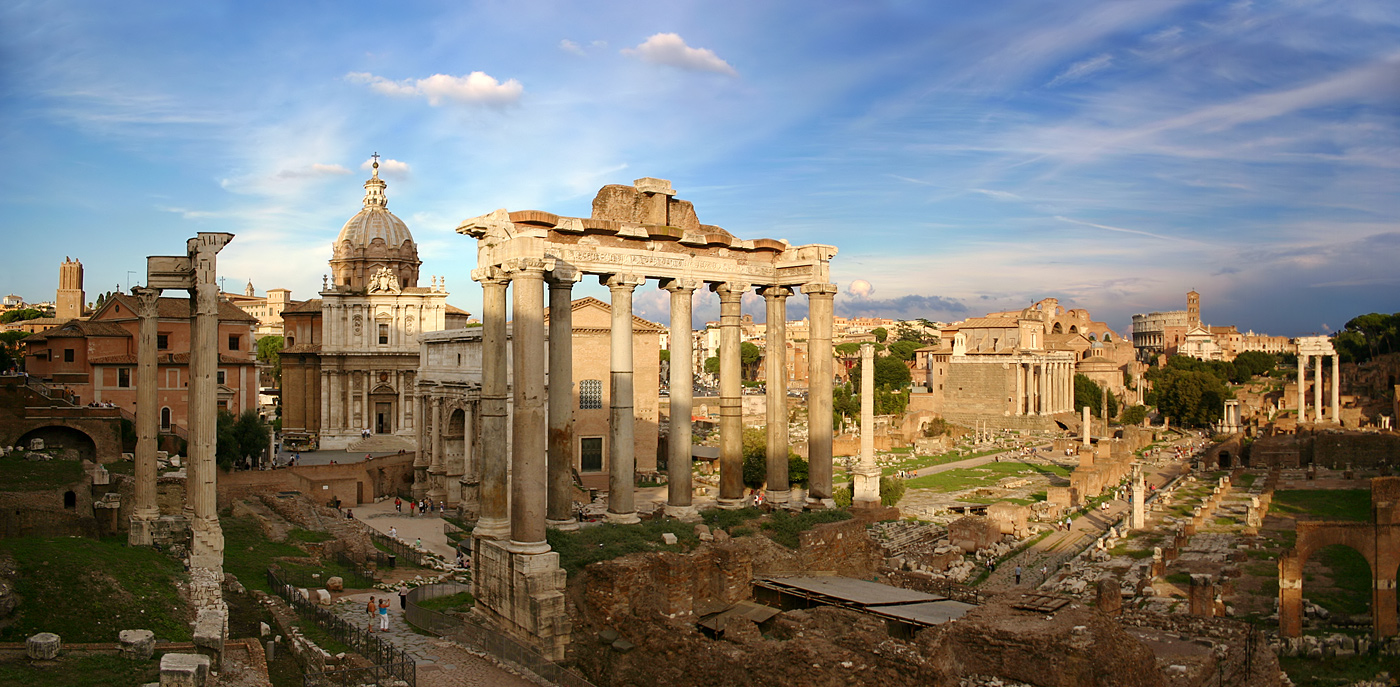 Atrakcja
The sprawling ruins of ancient Rome's civic and imperial centre, usually covered by a combined ticket with the Colosseum. Wear good shoes and bring water and sun protection.
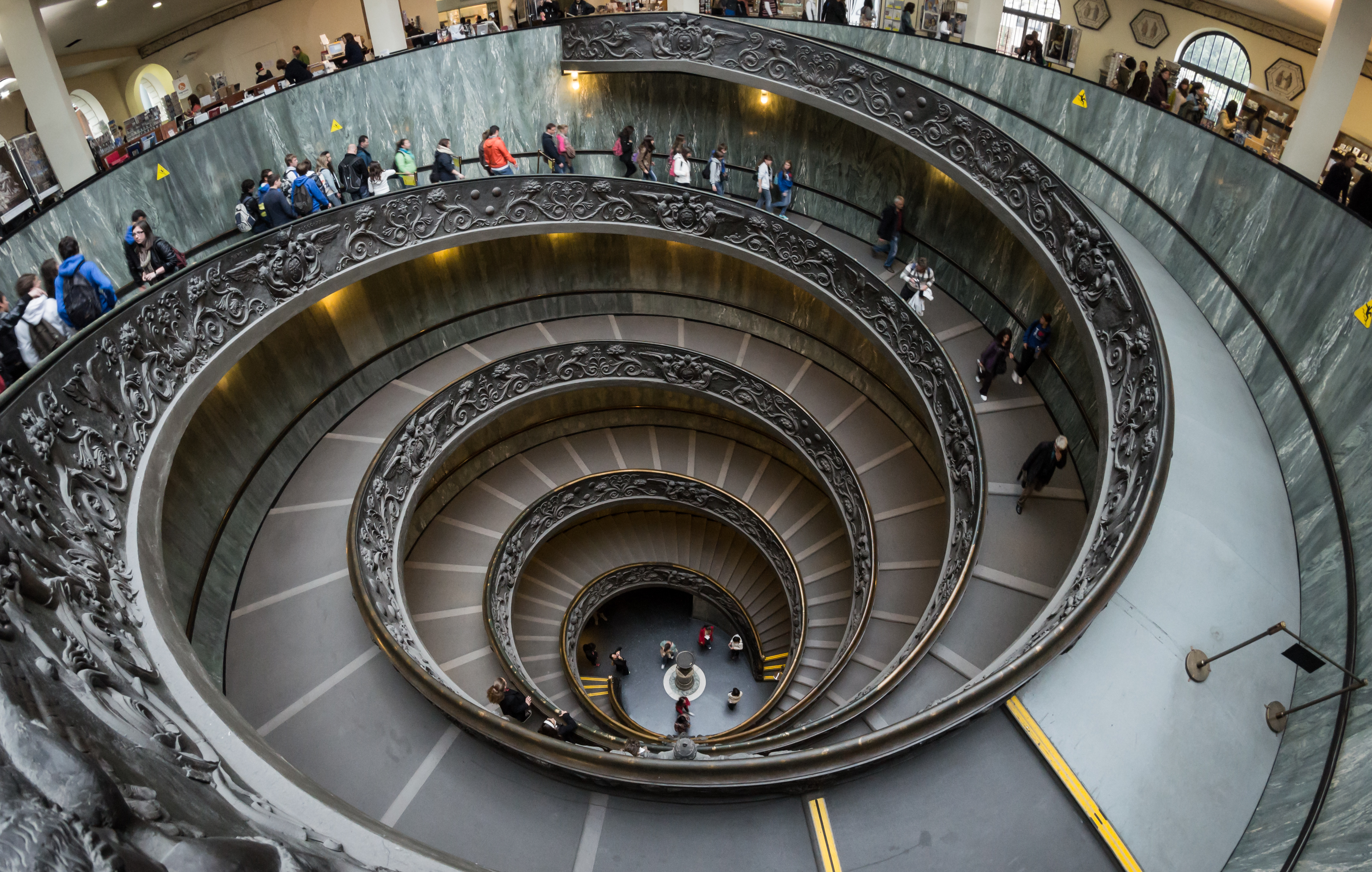 Atrakcja
A colossal collection ending at Michelangelo's Sistine Chapel ceiling. Book a timed entry well ahead and expect crowds. Dress modestly, with shoulders and knees covered.
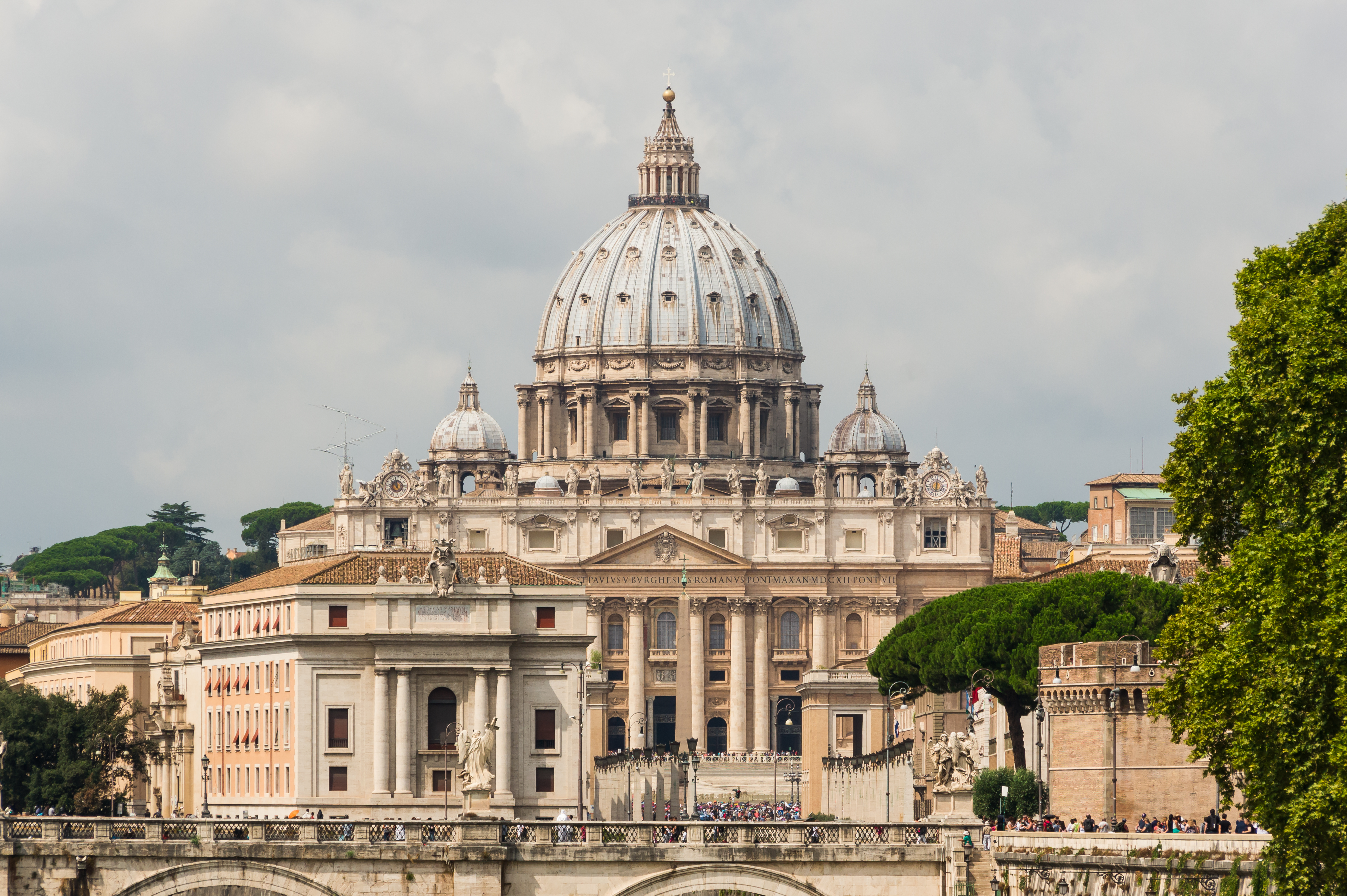 Atrakcja
The enormous basilica in Vatican City, free to enter but with long security queues. Climbing the dome costs extra and rewards you with sweeping views over Rome.
The must-try local dishes, sweets and fruits — including the exotic ones you won't find back home.
 DishMattes Boch / Wikimedia Commons
Rome's defining pasta: egg, pecorino romano, black pepper and crisp cured guanciale (pork cheek) tossed together off the heat until glossy, with no cream at all despite how it looks abroad. Order it in an old-fashioned trattoria to taste the real, simple version rather than the heavier imitations served overseas.
 DishSchellack / Wikimedia Commons
Just three ingredients — pecorino romano, coarsely cracked black pepper and starchy pasta water — emulsified into a sauce that looks simple but is famously tricky to get right. It is cucina povera at its most refined, and a good plate is silky rather than clumpy or split.
 DishNicholas Gemini / Wikimedia Commons
Deep-fried rice croquettes with a molten mozzarella centre, Rome's answer to Sicily's arancini and a staple of the city's fry shops and pizza-by-the-slice counters. Ask for one 'al telefono', named because the cheese stretches into long strings like an old telephone cord when you bite in.
 SweetGerjantd / Wikimedia Commons
A soft, slightly sweet brioche bun split and stuffed generously with whipped cream, traditionally eaten for breakfast with a coffee. It is specifically Roman rather than found across all of Italy, and bakeries around the city compete over whose cream-to-bun ratio is best.
 DishSchellack / Wikimedia Commons
Beef tripe slow-stewed in tomato sauce with mint and pecorino, a dish from Rome's cucina povera 'fifth quarter' offal tradition that many old trattorias still serve on Saturdays. It is a genuinely adventurous order for most foreign visitors, but a well-made version is tender and richly flavoured rather than chewy or gamey.
Spersonalizowane propozycje na podstawie Twoich zainteresowań i tego, co jest w pobliżu.
Ask, share, or connect with travelers nearby — and earn points.
Real restaurants, cafés, sights and things to do across the city — live from the map, with our fair-price and scam intelligence on top.
Ile płacą miejscowi — sprawdź ofertę zanim zapłacisz gotówką.
Zarezerwowałeś bezpośrednio? Wielu dostawców oferuje bezpłatne anulowanie w ciągu 24 godzin.
Jak to działa: Unofficial drivers or touts at the airport offer a 'taxi' and then charge far above the regulated fixed fare, or genuine taxis add invented surcharges.
Jak tego uniknąć: Use only the official licensed taxi rank or the train. Know the fixed fare to the centre in advance and refuse extra charges that were not agreed.
Set your city and dates — we open the live results, no inventory held
Flights to Rome
Compare flights & hotels on Aviasales — your city auto-detected, no extra fees.
Trzly compares across the big providers and points you to the cheapest. We don't take your booking or hold your money — we send you straight to the source, name the price, and warn you about scams.
Cheapest for you first — never by commission. When booking direct is cheaper, we say so, even when we earn nothing. Rank order is a function of price and trust only.
Hotels, apartments & guesthouses
Tours, tickets & local experiences
Restaurants, cafés & honest local prices
Trains, buses, transfers & car hire
The essentials most travellers book anyway — real providers for this destination.
Rzeczywiste taryfy, nie turystyczne ceny.
A direct non-stop train between Fiumicino Airport and Roma Termini in around half an hour, avoiding road traffic. The simplest link if you are staying near the centre.
Budget coaches run between the airports and Termini. Cheaper than the train but slower and subject to traffic. Good if you are travelling light and watching costs.
Licensed white taxis charge a set fare between Fiumicino and the historic centre. Best for groups or lots of luggage. Confirm the fixed rate and use only the official rank.
Rome's metro has a few lines that reach the Colosseum, the Vatican area and Termini. Fast for longer hops, though many central sights are better reached on foot.
An extensive surface network fills the gaps the metro misses. Buy and validate a ticket before or on boarding, and watch your belongings on busy routes.
The historic core is compact and full of pedestrian lanes and piazzas. Comfortable shoes and a relaxed pace are the best way to see Rome.
Spring (April to June) and autumn (September to October) offer warm, pleasant weather and slightly thinner crowds. July and August are hot and busy, with many local businesses closing in mid-August, while winter is cool and quieter with occasional rain.
Three to four days covers the Colosseum area, the Vatican and the historic centre at a reasonable pace, with time for the Trevi Fountain, Pantheon and a proper meal or two.
Yes for the Colosseum, Vatican Museums and Borghese Gallery, which use timed entry and sell out or mean long queues. Booking ahead also helps you avoid touts selling overpriced tickets.
Yes. Rome's tap water and its many public nasoni fountains are safe and good to drink. Bring a refillable bottle to save money and stay hydrated.
Dress modestly with shoulders and knees covered for St Peter's, the Vatican Museums and most churches. You may be turned away for bare shoulders or short shorts and skirts.
The Leonardo Express train reaches Termini in about half an hour, an airport bus is cheaper but slower, and official fixed-fare taxis suit groups with luggage. Avoid unofficial drivers offering rides.
Places like Rome — real prices, real scam warnings, honestly checked.

 Zweryfikowane
 Zweryfikowane
 Sprawdzone
