Spersonalizowane propozycje na podstawie Twoich zainteresowań i tego, co jest w pobliżu.
Przegląd
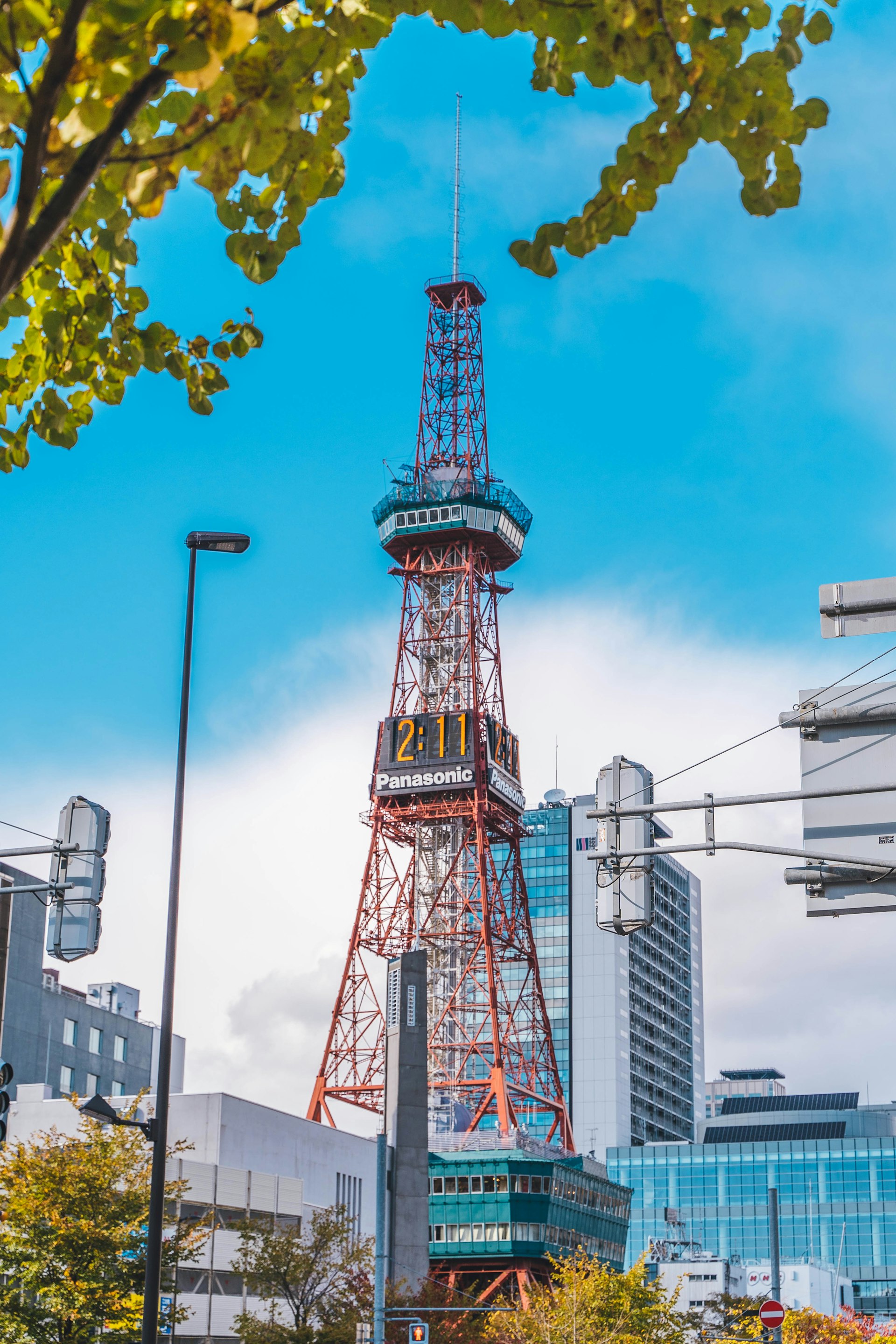
Sapporo is the capital of Hokkaido, Japan's northernmost main island, and it feels noticeably different from cities further south: wider grid-planned streets, cooler summers, serious winters and a food culture built around warming, hearty dishes rather than delicate ones. The city grew up fast in the late 19th century…
Photos
luty, czerwiec–lipiec i wrzesień–październik
Najlepszy czas na wizytę
Ukryte skarby
Ride the Sapporo Streetcar to Nakajima Park, a quieter green space south of Susukino with a Japanese garden and a lovely pond, largely skipped by visitors who only see Odori Park.
Atrakcje i doświadczenia godne Twojego czasu — z uczciwymi cenami.
7 aktywności
Odori Park
A long, tree-lined park running through the centre of Sapporo, host to the Snow Festival in February and various flower and food festivals through the rest of the year. Free to walk at any time, and a natural landmark for orienting yourself in the grid-planned city.
DoświadczenieBezpłatne 1 godz.
Sapporo Clock Tower
A wooden Western-style clock tower dating to 1878, one of the few reminders of the city's founding era and a small museum inside on Sapporo's early history. The building is famously smaller in person than photos suggest, a running local joke.
Atrakcja315–394 JPY · 2–3 USD 20 min
Sapporo Beer Museum
Japan's only beer museum, set in the red-brick shell of the original 1890 brewery, tracing the history of Japan's oldest beer brand and Hokkaido's pioneer-era industry. Entry to the museum floor is free; paid tastings and a guided tour with two beer samples are available.
DoświadczenieBezpłatne 1 godz.
Shiroi Koibito Park
A chocolate-themed factory park built around Hokkaido's best-known souvenir cookie, with viewing windows onto the production line and a storybook-style building and gardens. The ticket includes the factory tour and exhibits; workshops cost extra.
Doświadczenie788 JPY · 5 USD 1,5 godz.
Taste it here
The must-try local dishes, sweets and fruits — including the exotic ones you won't find back home.
DishSchellack / Wikimedia Commons
Sapporo Miso Ramen
Wheat noodles in a rich, miso-based pork broth, often finished with a knob of butter, sweetcorn and bean sprouts, a combination invented in Sapporo in the mid-20th century and now recognised across Japan as its own regional style. It's built to be warming and filling, ideal for Hokkaido's cold winters.
◆Ask for extra corn and butter, both classic Sapporo additions, if they aren't already included.
Dishpelican / Wikimedia Commons
Soup Curry
A thin, spiced curry broth served with rice on the side rather than poured over it, usually loaded with a whole chicken leg and large chunks of seasonal vegetables. It developed in Sapporo from the 1970s onward and is now one of the city's most distinctive dishes, found at dedicated soup curry specialists across town.
◆Spice levels are adjustable at most shops; start in the middle if you're unsure, since it can go from mild to genuinely fiery.
DishWikimedia Commons
Jingisukan (Genghis Khan)
Thin slices of mutton or lamb grilled at the table over a distinctive domed cast-iron skillet alongside bean sprouts, onion and cabbage, named after the Mongol emperor though the dish itself is a Hokkaido invention. It's typically a shared, sociable meal cooked yourself at specialist restaurants across Sapporo.
◆Pile the vegetables around the dome's rim so the meat juices drip down and flavour them as they cook.
DishWikimedia Commons
Kaisendon
A bowl of rice topped generously with an assortment of raw seafood, drawing on Hokkaido's cold, seafood-rich waters for some of Japan's best sea urchin, salmon roe, crab and scallops. Sapporo's seafood markets serve it as a substantial breakfast or lunch, assembled fresh to order.
◆Market stalls near Nijo Market and Sapporo Central Wholesale Market tend to offer the freshest, best-value bowls.
See all 5 dishesPokaż mniej
SweetWikimedia Commons
Shiroi Koibito
A thin white-chocolate wafer sandwich, Hokkaido's best-known souvenir cookie and one of Japan's best-selling regional confections since it launched in 1976. The name translates to 'white lover', and boxes of it are sold at the dedicated Shiroi Koibito Park as well as across Sapporo's shops and the airport.
Sapporo community
Ask travelers and locals — or help others and earn points.
Posts save on this device — sign in to keep them and earn points.
Places in Sapporo
Real restaurants, cafés, sights and things to do across the city — live from the map, with our fair-price and scam intelligence on top.
Fair price here:1418–3152 JPY · 9–20 USD
Searching nearby…
Uczciwe ceny i tarcza oszustw
Ile płacą miejscowi — sprawdź ofertę zanim zapłacisz gotówką.
Sprawdź, ile zapłaciłeś
Single subway ride
na przejazd
205–378 JPY · 1–2 USD
Zarezerwowałeś bezpośrednio? Wielu dostawców oferuje bezpłatne anulowanie w ciągu 24 godzin.
Aktualność · 5 źródeł · analiza uczciwej cenyInformacja o afiliacji: niektóre linki mogą przynosić Trzly prowizję — to nigdy nie zmienia tego, co pokazujemy jako pierwsze, i nie kosztuje cię nic dodatkowego.
Zweryfikowano 6 sierpnia 2026 · 5 źródeł · Pewność 76%
Practical infoBest time · safety · hidden gems · FAQ
Jak się dostać i poruszać
Rzeczywiste taryfy, nie turystyczne ceny.
Jak się tam dostać
JR Rapid Airport train 37 min1103–1418 JPY · 7–9 USD
Direct trains run roughly every 10-15 minutes from New Chitose Airport to Sapporo Station, taking as little as 37 minutes on the fastest service. Covered by the JR Pass and the Hokkaido Rail Pass.
Airport Liner bus 1,3 godz.1103–1497 JPY · 7–10 USD
A comfortable, no-transfer coach service jointly run by Chuo Bus and Hokuto Kotsu, useful with heavy luggage, though the journey takes noticeably longer than the train given road traffic.
Airport taxi 1,2 godz.9929–14 815 JPY · 63–94 USD
A metered or flat-rate door-to-door option from New Chitose, but a genuinely expensive one given the distance involved. Best reserved for late-night arrivals or a group splitting the fare.
Jak się poruszać
Sapporo Municipal Subway205–378 JPY · 1–2 USD
Three lines cover the central grid efficiently, running on distinctive rubber tyres for a quieter ride. A SAPICA or Suica-compatible IC card covers subway, streetcar and bus.
Sapporo Streetcar (Shiden)205–236 JPY · 1–2 USD
A single looping tram line useful for reaching Susukino, Nakajima Park and the base of the Mt. Moiwa Ropeway. A flat fare applies regardless of distance travelled.
City taxi630–1418 JPY · 4–9 USD
Metered and reliable, with a late-night surcharge from 10pm to 5am. A practical option once the subway and streetcar stop running for the night.
Najlepszy czas na wizytę
luty, czerwiec–lipiec i wrzesień–październik
February brings the famous Sapporo Snow Festival and its enormous ice sculptures, though temperatures sit well below freezing and warm winter clothing is essential. June and July offer mild, low-humidity summer weather that's noticeably cooler than the rest of Japan, while September and October bring crisp air and vivid autumn colour in the surrounding mountains. Late April into May sees Hokkaido's own, later cherry blossom season.
Bezpieczeństwo
OstrożnośćHokkaido experiences earthquakes from time to time, and the region has seen notable seismic activity in recent years. Note your accommodation's exits on arrival and follow any staff instructions if a quake occurs; ordinary awareness is enough for a short visit.
OstrożnośćWinter temperatures regularly drop well below freezing with heavy snowfall and icy pavements underfoot. Wear proper winter boots with grip, dress in warm layers, and take extra care crossing streets where compacted snow and ice can be slippery.
OstrożnośćHokkaido has an active brown bear population, and sightings occasionally occur even near city parks, occasionally prompting temporary closures. This mainly matters if hiking outside paved tourist trails; within central Sapporo itself it's a background awareness point rather than a daily concern.
Ukryte skarby
Ride the Sapporo Streetcar to Nakajima Park, a quieter green space south of Susukino with a Japanese garden and a lovely pond, largely skipped by visitors who only see Odori Park.
Visit Nijo Market for a smaller, more local alternative to the bigger tourist-oriented seafood markets, with excellent fresh seafood breakfasts.
Take a short train ride to Otaru, a canal town about 40 minutes from Sapporo, for glassblowing workshops and a completely different, coastal atmosphere in an easy half-day trip.
Często zadawane pytania
How many days should I spend in Sapporo?
Two to three days covers the central sights comfortably, including Odori Park, the Clock Tower, the Beer Museum and Mt. Moiwa, with time left over for a day trip to nearby Otaru or the Hokkaido countryside.
Is Sapporo worth visiting outside the Snow Festival?
Yes. Summer is noticeably cooler and less humid than the rest of Japan, autumn brings striking foliage in the surrounding mountains, and the city's food scene, especially ramen and seafood, is excellent year-round.
How do I get from New Chitose Airport to Sapporo?
The JR Rapid Airport train is the fastest and most reliable option at around 37 minutes. An airport liner bus and taxis are also available, though both take considerably longer given road traffic.
Is Susukino safe to visit at night?
Generally yes, and it's a normal place to eat dinner or have a drink. The one thing to watch for is unlicensed street touts after midnight; simply ignore anyone offering to lead you to a bar.
Do I need a car in Sapporo?
No. The subway, streetcar and buses cover the central city well, and a car is only really useful for exploring further into rural Hokkaido, where public transport thins out.
Zaktualizowano · z 5 zweryfikowanych źródeł · liczby są automatycznie sprawdzane przed publikacją.