Trzly.
Sign in
Trzly · جاپان Kyoto
Kyoto
Wikimedia Commons
قابلِ اعتماد گائیڈ · دھوکے سے محفوظ

Kyoto

جاپان
تخمینہ
٦ $ سے مناسب قیمت
مارچ–مئی اور اکتوبر–نومبرJPY٧ to do
Trust · no booking site shows this

Know the fair price — and dodge the scamsOnly on Trzly

Booking sites sell to you. We protect you: verified price bands plus the exact tricks travellers hit in this place.

Fair prices in Kyoto

تصدیق شدہ · 13 اگست، 2026

Haruka train from Kansai Airport
فی شخص
١٤–٢٣ $
Ramen or udon meal
فی شخص
٤–٨ $
Matcha latte or coffee
per cup
٣–٦ $
City bus or subway ride
فی سواری
١–٢ $
Bottled water
فی بوتل
١ $

Watch out in Kyoto

Overpriced tourist-strip diningWalk a few streets back from the main sight, look for where local workers eat, and check the menu and prices before sitting down. Set lunches and ticket-machine noodle shops give you far better food for the money.
Unofficial 'guide' toutsKyoto is genuinely safe and you rarely need help finding your way, but licensed guides work through registered companies. Decline unsolicited offers and book any tour through a reputable operator or your accommodation.
Gion geisha photo and etiquette finesThis is a real etiquette rule, not a scam — respect it. Photograph freely on the main public streets like Hanami-koji, but not down the private alleys, and never photograph a geisha without her clear consent or block her path.
All warnings & safety tips
Travellers · no booking site has this

Travellers who know Kyoto — talk to themOnly on Trzly

Not just a guide — a community. Travellers who've been here give real tips, and people going your dates are here to meet.

Upcoming trips & meetups here

جائزہ

Kyoto was Japan's imperial capital for more than a thousand years, and it still holds the country's cultural heart — some 1,600 Buddhist temples and 400 Shinto shrines woven into a modern working city. This is where you walk beneath the endless vermilion torii gates of Fushimi Inari, stand before the gold-leafed…

Photos

نقشہ

نقشہ لوڈ ہو رہا ہے…
نقشے پر دیکھیں

کرنے کے کام

آپ کے وقت کے قابل نظارے اور تجربات — ایماندار قیمتوں کے ساتھ۔

7 سرگرمیاں
نظارہ

Fushimi Inari Taisha

Kyoto's most famous sight and completely free: thousands of vermilion torii gates snaking up the wooded slopes of Mount Inari, forming glowing orange tunnels above the path. The full loop to the summit takes two to three hours, but even the lower gates are magical. Arrive at dawn or after dusk to walk the tunnels in near-solitude before the crowds.

مفت ٢ گھنٹے
نظارہ

Kinkaku-ji (Golden Pavilion)

A Zen temple whose top two floors are covered entirely in gold leaf, mirrored in the still pond before it — one of Japan's postcard images. Admission is around ¥500 and the visit is a short, one-way stroll through the garden. It gets very busy, so go early; the pavilion glows most beautifully in soft morning light or after a dusting of snow.

٣–٤ $ ١ گھنٹہ
نظارہ

Kiyomizu-dera

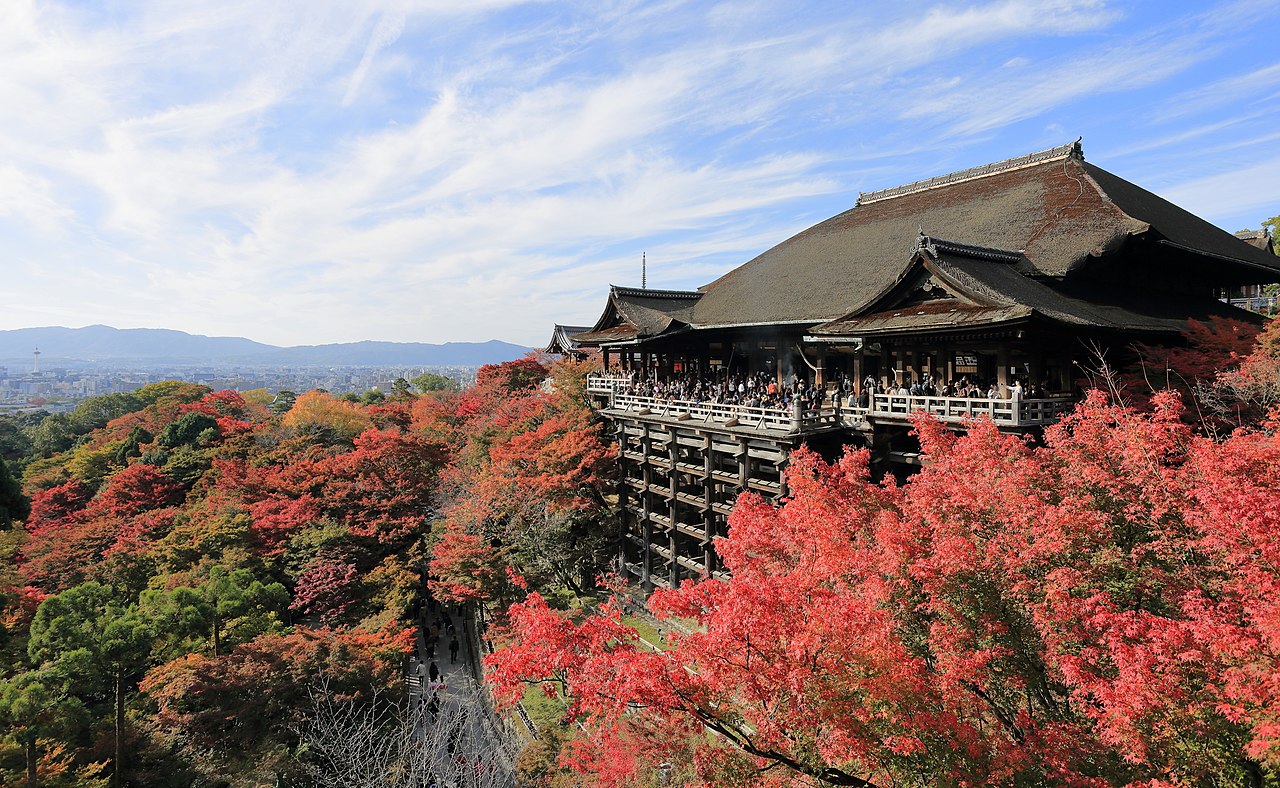
A grand wooden temple perched on the Higashiyama hillside, its vast veranda built out over the slope on tall wooden pillars without a single nail, looking out over Kyoto. Entry is around ¥500. The approach up the Sannen-zaka and Ninen-zaka lanes, lined with sweet shops and pottery stores, is half the pleasure — and a prime spot in cherry-blossom and autumn seasons.

٣–٤ $ ١،٥ گھنٹے
نظارہ

Arashiyama bamboo grove

A free, otherworldly path through towering stalks of bamboo that filter the light green and rustle overhead in the wind, on the western edge of the city. It is short and always busy, so come very early to catch it quiet; combine it with the riverside, the Tenryu-ji temple garden (small fee) and the Togetsukyo bridge for a half-day in Arashiyama.

مفت ١ گھنٹہ

Taste it here

The must-try local dishes, sweets and fruits — including the exotic ones you won't find back home.

Dish

Kaiseki

Kyoto's celebrated multi-course haute cuisine, rooted in the tea ceremony and the imperial court, in which a sequence of small, exquisite seasonal dishes is served with meticulous attention to flavour, texture and presentation. It is the pinnacle of Japanese dining and Kyoto is its spiritual home.

Book a kaiseki dinner ahead, or try a lunch course for a far lower price; note that traditional kaiseki includes fish and often sake, so ask about ingredients if that matters to you.

Dish

Yudofu (tofu hot pot)

A simple, refined Kyoto speciality: blocks of silken tofu gently simmered in a kombu-seaweed broth and dipped in ponzu citrus sauce with ginger and spring onion. Kyoto's soft water makes its tofu famous, and yudofu is often eaten near the temples of Nanzen-ji and Arashiyama.

A temple-side yudofu set is a warming, meat-free lunch, usually ¥2,000–4,000; it is naturally vegetarian, though confirm the broth if you avoid fish-based dashi.

Dish

Shojin-ryori (temple cuisine)

The Buddhist vegetarian cuisine developed in Kyoto's monasteries, using no meat, fish or strong flavourings and instead celebrating seasonal vegetables, tofu, and delicate broths in beautifully balanced sets. It is both a meal and a window into Zen philosophy.

Served at several temples and specialist restaurants, it is one of the best choices for vegetarian and vegan travellers — a rare fully meat-free traditional Japanese meal.

Sweet

Matcha & wagashi sweets

Kyoto is Japan's matcha capital, its stone-ground green tea whisked into a vivid, slightly bitter drink and folded into everything from soft-serve ice cream to delicate wagashi confections. Pairing bitter matcha with a sweet is a centuries-old Kyoto ritual.

Try a bowl of matcha with a seasonal sweet in a garden teahouse, and taste the difference at the source in nearby Uji; matcha itself is caffeinated but alcohol-free.

See all 6 dishes
Sweet

Yatsuhashi

Kyoto's signature sweet and its most popular souvenir: thin sheets of cinnamon-scented mochi, most loved in the soft nama-yatsuhashi form, folded into triangles around sweet red bean paste, and now also matcha, strawberry and other fillings.

Almost every shop offers free samples, so taste a few flavours before buying a box to take home; the soft fresh version is best eaten within a few days.

Drink

Sake

The Fushimi district in southern Kyoto is one of Japan's great sake-brewing centres, its clear soft water producing smooth, mellow rice wine for centuries. You can tour breweries and taste flights along the old canals of Fushimi.

Sake is an alcoholic drink (around 15%), so Muslim and other non-drinking travellers should be aware it appears in many dishes and marinades too; ask if you wish to avoid it. Fushimi's brewery museums are still interesting to visit.

آپ کے لیے · آپ کے قریب

آپ کی دلچسپیوں اور قریبی مقامات کی بنیاد پر ذاتی نوعیت کی تجاویز۔

Kyoto community

Ask, share, or connect with travelers nearby — and earn points.

Posts save on this device — sign in to keep them and earn points.

Places in Kyoto

Real restaurants, cafés, sights and things to do across the city — live from the map, with our fair-price and scam intelligence on top.

Fair price here:٤–٨ $
Searching nearby…

مناسب قیمتیں اور دھوکہ شیلڈ

مقامی لوگ کیا ادا کرتے ہیں — نقد دینے سے پہلے قیمت جانچیں۔

Is this price fair?

براہ راست بک کیا؟ بہت سے فراہم کنندگان 24 گھنٹوں کے اندر مفت منسوخی پیش کرتے ہیں۔

Haruka train from Kansai Airport
فی شخص
١٤–٢٣ $
Ramen or udon meal
فی شخص
٤–٨ $
Matcha latte or coffee
per cup
٣–٦ $
City bus or subway ride
فی سواری
١–٢ $
Bottled water
فی بوتل
١ $
Mid-range dinner
فی شخص
١٩–٣٨ $
Short taxi ride
فی سواری
٦–١٣ $
براہ راست قیمتیں جلد آ رہی ہیںتازگی · ٥ ذرائع · مناسب قیمت کی معلوماتایفیلیئٹ انکشاف: کچھ لنکس Trzly کو کمیشن دلا سکتے ہیں — یہ کبھی اس چیز کو نہیں بدلتا جو ہم آپ کو پہلے دکھاتے ہیں، اور آپ کے لیے کوئی اضافی لاگت نہیں آتی۔
13 اگست، 2026 تصدیق شدہ · ٥ ذرائع · اعتماد ٧٠%
Kyoto کے دھوکے — اترنے سے پہلے پڑھیں
ہر سروس کے لیے مناسب قیمت اور دھوکے سے تحفظ۔

Find your flight

Set your city and dates — we open the live results, no inventory held

Flights to Kyoto

Compare flights & hotels on Aviasales — your city auto-detected, no extra fees.

Book everything — at the honest price

Trzly compares across the big providers and points you to the cheapest. We don't take your booking or hold your money — we send you straight to the source, name the price, and warn you about scams.

Cheapest for you first — never by commission. When booking direct is cheaper, we say so, even when we earn nothing. Rank order is a function of price and trust only.

Stays

Hotels, apartments & guesthouses

Compare live on:Booking.comExpedia

Things to do

Tours, tickets & local experiences

Compare live on:ViatorGetYourGuideKlook

Dining

Restaurants, cafés & honest local prices

Compare live on:OpenTableGoogle Maps

Getting around

Trains, buses, transfers & car hire

Compare live on:Rome2Rio
تازگی · ٥ ذرائع · مناسب قیمت کی معلوماتایفیلیئٹ انکشاف: کچھ لنکس Trzly کو کمیشن دلا سکتے ہیں — یہ کبھی اس چیز کو نہیں بدلتا جو ہم آپ کو پہلے دکھاتے ہیں، اور آپ کے لیے کوئی اضافی لاگت نہیں آتی۔

Complete your trip

The essentials most travellers book anyway — real providers for this destination.

وہاں پہنچنا اور گھومنا

اصل کرایہ، سیاحوں کی قیمتیں نہیں۔

وہاں پہنچنا
Haruka Limited Express ١،٣ گھنٹے١٤–٢٣ $

The fastest, easiest link from Kansai Airport (KIX) to Kyoto Station, direct in about 75 minutes for ¥3,060 unreserved. Foreign passport holders can buy a discounted ICOCA & Haruka one-way ticket (around ¥2,200) that also loads a reusable IC card. Trains run about twice an hour.

Airport limousine bus ١،٨ گھنٹے١٥–١٨ $

A direct highway bus from Kansai Airport to Kyoto Station takes roughly 90–105 minutes and costs about ¥2,600, with guaranteed seats and space for large luggage. A good option if you have heavy bags or your hotel is near the station, though slower than the Haruka in traffic.

Shared door-to-door shuttle ١،٧ گھنٹے٢٦–٣٠ $

Services such as the MK Skygate shuttle carry you from the airport directly to your Kyoto accommodation for roughly ¥4,300 per person, booked in advance. More expensive than the train but convenient with luggage and useful for hotels away from the station; it shares the ride with other passengers.

Private taxi from the airport ١،٥ گھنٹے١٥٥–١٩٠ $

A private metered taxi from Kansai Airport all the way to central Kyoto is fast and door-to-door but very expensive — commonly ¥25,000–30,000 — because of the long motorway distance. Only worth it for a group with lots of luggage; almost everyone takes the Haruka train instead.

Live directions & times in MapsReal routes from the airport or your spot — opens Google Maps
آس پاس گھومنا
Subway١–٢ $

Kyoto's two subway lines (Karasuma and Tozai) cross the city centre quickly for a flat fare of around ¥220–260, tapped with an ICOCA or Suica IC card. Fast and simple, though the network is small — buses reach many of the temples the subway does not.

City bus١–٢ $

Kyoto's dense city bus network reaches almost every temple and shrine for a flat fare of about ¥230 a ride. Buses are the main way to get around but get crowded and slow in peak season; board at the rear, pay as you leave, and tap an IC card or use the ¥1,100 day pass.

JR & private trains١–٣ $

JR lines and the Keihan and Hankyu private railways link Kyoto to Fushimi Inari, Arashiyama, Uji, Nara and Osaka cheaply, usually ¥150–300 within the area. The JR Nara line takes you two stops to Fushimi Inari; the Randen tram and Hankyu reach Arashiyama.

Taxi٣–٤ $

Metered taxis start around ¥500 and are honest and clean, handy for short hops, late nights when buses stop, or when carrying luggage between the station and a hotel. Doors open automatically. Cheaper than in many Western cities but still far dearer than the bus for longer distances.

Walking

The temple districts of Higashiyama and the lanes of Gion and Arashiyama are best explored on foot, and the flat city is pleasant to walk, though the top sights are spread out so you will pair walking with buses or trains. Wear comfortable shoes and carry water in summer.

جانے کا بہترین وقت

مارچ–مئی اور اکتوبر–نومبر

The best times to visit Kyoto are spring (late March to May) and autumn (October and November). Cherry blossom peaks in early April, filling the temples, riverbanks and Philosopher's Path with pink, while the maple leaves turn fiery red in mid-to-late November — both are breathtaking but also the most crowded and most expensive weeks of the year, when hotel prices can double or triple. For a gentler balance, May, early June and October bring pleasant weather and thinner crowds. Summer (July to August) is hot, humid and sticky with a rainy spell in June, and winter (December to February) is cold and quiet but can be starkly beautiful, especially with snow on the golden pavilion, and is the cheapest time to come.

حفاظت

انتباہKyoto sits in a basin and its summers (July to August) are genuinely hot and very humid, with real risk of heat exhaustion while temple-hopping. Carry water, use the cheap vending machines and convenience stores, wear a hat, take breaks in the shade or air conditioning, and do the outdoor sights early or late in the day.
احتیاطKyoto's crowds, not crime, are the main challenge — during cherry-blossom and autumn seasons the top sights, buses and trains are packed, and overtourism has strained the city. Start early, use the subway and trains to skip bus queues, visit famous spots at dawn, and be patient and courteous in the crush.
احتیاطJapan sits in an active earthquake zone and the late-summer and autumn typhoon season (roughly August to October) can bring heavy rain and disruption. Both are rare to affect a short visit, but know your accommodation's exits, keep an eye on weather warnings, and follow official guidance if an alert is issued.
چھپے ہوئے جواہرات

Walk Fushimi Inari's torii tunnels at dawn or after dark — the gates are lit and nearly empty, a completely different experience from the midday crush, and it costs nothing.
Skip the priciest teahouses on the main lanes and find a small neighbourhood kissaten or matcha cafe a few streets back for the same green tea and sweets at everyday prices.
Ride a local Keihan or JR train out to Uji, the home of Japan's finest matcha, for tea, the beautiful Byodo-in temple and a calmer riverside afternoon away from central Kyoto's crowds.

اکثر پوچھے گئے سوالات

How many days do I need in Kyoto?

Three to four days lets you cover the essentials — Fushimi Inari, Kinkaku-ji, Kiyomizu-dera and Higashiyama, Arashiyama, Gion and Nijo Castle — at a comfortable pace, with a tea ceremony and time to eat well. With more days you can add Uji, Nara as a day trip, and quieter temples away from the crowds.

Is Kyoto safe for tourists?

Yes, extremely. Japan has very low crime and Kyoto is one of the safest cities you can visit, with little risk of theft or scams and safe streets late at night. Your main concerns are practical: heavy crowds at the top sights, summer heat, and respecting local etiquette such as the geisha-photo rules in Gion.

How do I get around Kyoto?

Kyoto is covered by a flat-fare city bus network (~¥230 a ride), two subway lines and JR and private trains, all tapped with an ICOCA or Suica IC card. Buses reach the most temples; a ¥1,100 Subway & Bus 1-Day Pass is worth it for three or more rides. Many districts, like Higashiyama and Gion, are best on foot.

Can Muslim or vegetarian travellers eat well in Kyoto?

Yes, with a little care. Many Japanese dishes contain pork (ramen and tonkatsu), dashi stock made from fish, or alcohol (sake, mirin), so ask about ingredients. Kyoto is unusually good for vegetarians thanks to shojin-ryori, the Buddhist temple cuisine, plus yudofu and tofu dishes, and a growing number of halal-friendly and vegan restaurants.

When is the cheapest time to visit Kyoto?

Winter (December to February, excluding the New Year holiday) and the early-summer rainy season in June are the cheapest and least crowded times, when hotel prices drop well below the cherry-blossom and autumn peaks. The city is quieter and still beautiful, though colder or wetter, so pack accordingly.

تازہ کاری · ٦ تصدیق شدہ ذرائع سے · اعداد و شمار شائع ہونے سے پہلے خودکار طور پر جانچے جاتے ہیں۔
Compare prices & book