Trzly.
0
Trzly · Japan Tokyo
Tokyo
Jakub Hałun / CC BY 4.0 — Wikimedia Commons
Vertrauensführer · betrugsgeschützt

Tokyo

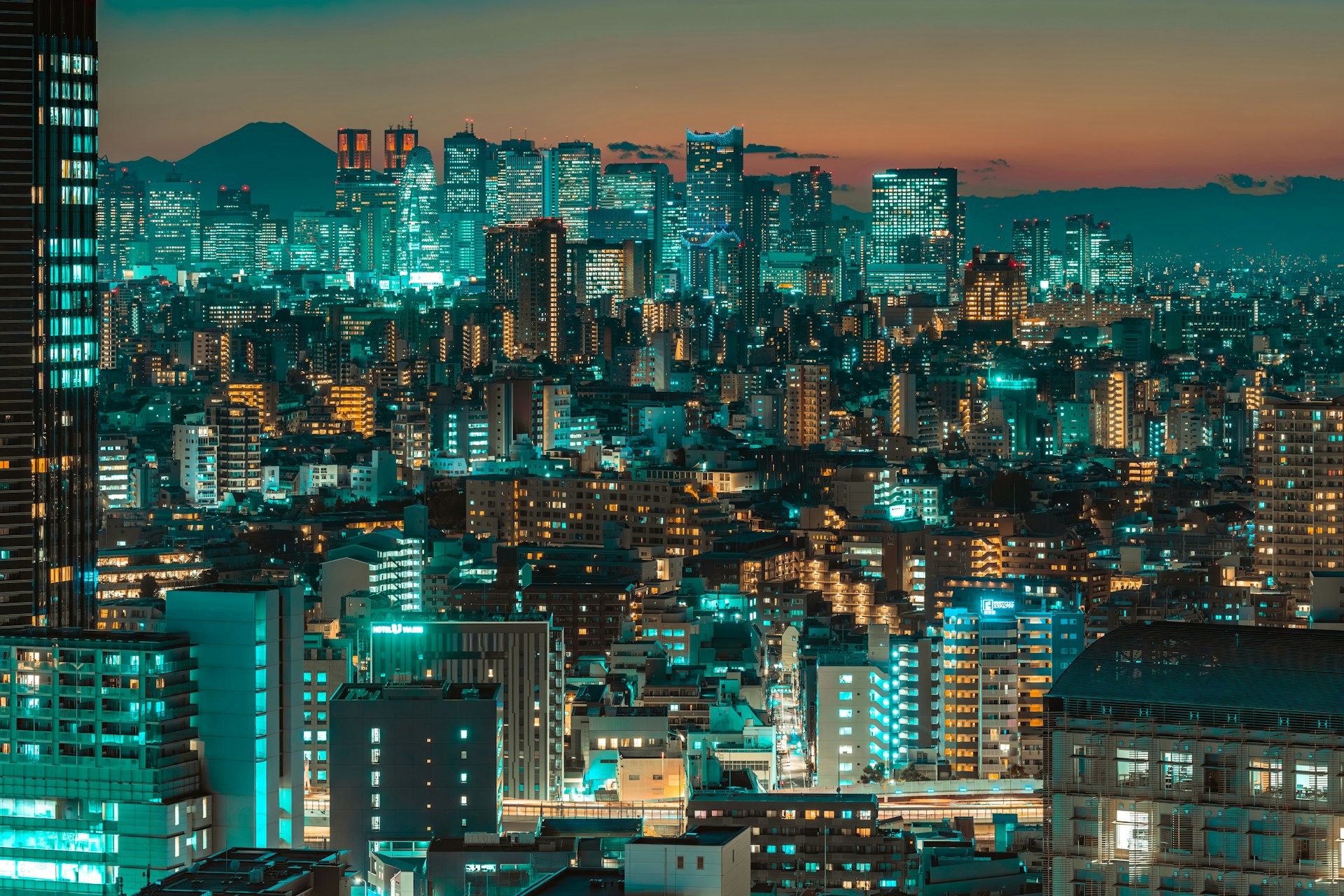
A vast, orderly metropolis where tradition meets the future

Zuverlässigkeit 80%
Verifiziert 4. August 2026 · 2 Quellen · Zuverlässigkeit 80%

Übersicht

Tokyo is Japan's sprawling capital and one of the world's largest cities, a place where neon-lit districts, quiet temples and immaculate transport all coexist with remarkable ease. It is really a collection of distinct neighbourhoods, from the youthful energy of Shibuya and Harajuku to the old-town lanes of Asakusa around the Senso-ji temple and the calm forest of the Meiji Shrine. The city runs on an extensive and punctual rail network, and a single rechargeable Suica card makes getting around simple. Tokyo rewards both planning and wandering, whether you are queuing for sushi at dawn, browsing electronics in Akihabara, or riding a lift up a tower for skyline views of Mount Fuji on a clear day. Food is a highlight at every budget, from convenience-store meals to tiny counter restaurants. Crime against visitors is rare and streets feel safe, but the main things to watch are a few nightlife traps in certain districts. Give it several days and expect to still leave wanting more.

Aktivitäten

Die Sehenswürdigkeiten und Erfahrungen, die deine Zeit wert sind — mit fairen Preisen.

Senso-ji Temple

Sehenswürdigkeit

Tokyo's oldest and most famous Buddhist temple in Asakusa, approached through a lively shopping street of stalls. The grounds are free to enter; go early to enjoy the atmosphere before crowds build.

Kostenlos 1,5 Std.

Meiji Shrine

Sehenswürdigkeit

A serene Shinto shrine set in a large forested park beside Harajuku. Free to enter and a peaceful contrast to the surrounding city; you may see traditional weddings on weekends.

Kostenlos 1,5 Std.

Shibuya Crossing

Erlebnis

The famous scramble crossing where crowds surge in every direction. Free to experience; watch from a nearby cafe window or the surrounding streets for the best view.

Kostenlos 45 Min.

Tokyo Skytree

Sehenswürdigkeit

One of the world's tallest towers, with observation decks offering vast city views. Buy a timed ticket; prices rise for the higher deck and clear days show Mount Fuji.

2.188–3.906 ¥ · 14–25 $ 1,5 Std.

Digital art museum (teamLab)

Erlebnis

An immersive digital-art experience of light, mirrors and interactive rooms. Book a timed ticket well ahead as slots sell out, and allow a couple of hours inside.

4.063–6.094 ¥ · 26–39 $ 2,5 Std.

Tsukiji Outer Market

Erlebnis

A bustling warren of food stalls and shops famous for fresh seafood and street snacks. Free to wander; come hungry in the morning when it is liveliest.

Kostenlos 1,5 Std.

Shinjuku Gyoen

Sehenswürdigkeit

A spacious landscaped garden blending Japanese, English and French styles, superb for cherry blossom and autumn colour. A modest entry ticket applies.

469–938 ¥ · 3–6 $ 2 Std.

Faire Preise & Betrugsschild

Was Einheimische zahlen — prüfe ein Angebot, bevor du Bargeld gibst.

Single subway or JR ride
pro Fahrt
172–406 ¥ · 1–3 $

Buy a Suica or similar IC card and tap in and out. Fares vary by distance but most city hops are cheap, and one card works across subway, JR and buses.

Narita Express train
pro Person
2.813–4.375 ¥ · 18–28 $

The direct airport express reaches central stations comfortably. From Haneda the monorail or Keikyu line is cheaper and quicker, so check which airport you land at.

Mid-range restaurant meal
pro Person
1.406–3.906 ¥ · 9–25 $

Set lunch menus are excellent value compared with dinner. Look for small counter restaurants with local diners rather than tourist-facing spots.

Bowl of ramen
per bowl
938–1.875 ¥ · 6–12 $

Many shops use a ticket-vending machine at the door where you pay first. A filling bowl is cheap, and there is no tipping in Japan.

Convenience-store meal
per item
469–1.250 ¥ · 3–8 $

Convenience stores offer surprisingly good, cheap meals, rice balls and coffee. A great budget option for breakfast or a quick lunch on the move.

Short city taxi ride
pro Fahrt
781–2.188 ¥ · 5–14 $

Taxis are metered, honest and clean but pricier than trains. Doors open automatically; use them mainly late at night when trains have stopped.

Coffee at a cafe
per cup
391–938 ¥ · 3–6 $

Chain cafes are cheapest, while specialty coffee shops cost more. Convenience-store coffee is very cheap and reliably good.

Preis prüfen — Single subway or JR ride

Häufige Maschen

Bar bill padding in nightlife districts
Hoch

Wie es funktioniert: In parts of Roppongi and Kabukicho, some bars and clubs quote a low entry then add huge undisclosed charges, cover fees and drinks, producing a shocking bill enforced by staff.

Wie man es vermeidet: Avoid venues you are steered to by touts, check all prices and cover charges in writing before ordering, and choose well-reviewed bars. Pay with a card so a charge can be disputed.

Drink spiking and card fraud
Hoch

Wie es funktioniert: In a few nightlife bars a traveller's drink is spiked, and they later find large unauthorised charges on their card or are pressured to keep spending.

Wie man es vermeidet: Never leave a drink unattended, be wary of overly friendly strangers who insist on a specific bar, and keep your card in sight. If you feel unwell, leave and seek help.

Fake monk donation cards
Niedrig

Wie es funktioniert: A person dressed as a monk approaches near tourist areas, hands you a bracelet or card, and presses you to sign a book and donate a set amount.

Wie man es vermeidet: Genuine monks do not solicit cash from tourists this way. Decline politely, do not accept the item, and walk on without engaging.

Nightlife touts steering you
Mittel

Wie es funktioniert: Touts on the street in nightlife areas promise cheap drinks or a good club, then lead you to a venue that overcharges or is unsafe.

Wie man es vermeidet: Ignore street touts entirely and pick your own venue from reviews. Following a tout is the single most common way visitors end up with a padded bill.

Anreise und Fortbewegung

Echte Fahrpreise, keine Touristenpreise.

Wie man dort hinkommt
Narita Express train 1 Std.2.813–4.375 ¥ · 18–28 $

A comfortable direct express from Narita Airport to major city stations in about an hour. From Haneda, use the monorail or Keikyu line instead, which are faster and cheaper.

Airport limousine bus 1,5 Std.1.250–3.438 ¥ · 8–22 $

Coaches run from both airports directly to major hotels and stations. Convenient with luggage, though journey times depend on traffic.

Airport taxi 1,2 Std.20.313–35.938 ¥ · 130–230 $

Door-to-door but genuinely expensive from distant Narita, less so from Haneda. Best only for groups with heavy luggage or late arrivals.

Wie man sich fortbewegt
Subway network172–406 ¥ · 1–3 $

An extensive, punctual subway covers the city. Use a Suica IC card to tap through, and apps make transfers easy for first-time visitors.

JR Yamanote line172–406 ¥ · 1–3 $

The loop line links many major districts like Shibuya, Shinjuku and Tokyo Station. Frequent and simple, and covered by the same IC card.

City taxi781–2.188 ¥ · 5–14 $

Metered, clean and reliable but costlier than rail. Handy late at night after trains stop; doors open and close automatically.

Beste Reisezeit

März–Mai und Oktober–November

Spring (late March to May) brings cherry blossom and mild weather, while autumn (October to November) offers cool, clear days and colourful leaves. Summer is hot, humid and prone to typhoons, and winter is cold but dry with mostly sunny days.

Sicherheit

VorsichtJapan is seismically active and minor tremors are common. Note your accommodation's exits on arrival and follow staff instructions during any quake; for a short visit no special preparation is needed beyond awareness.
VorsichtSummer can be very hot and humid, raising the risk of heat exhaustion. Carry water, use the widely available vending machines and air-conditioned spaces, and plan outdoor sights for cooler hours.
VorsichtTrains are extremely crowded during morning and evening rush hours. Keep bags in front of you, avoid peak times with luggage if possible, and follow the orderly queue markings on platforms.
Geheime Schätze

Ride the driverless Yurikamome line across Rainbow Bridge to Odaiba for bay views for the price of a normal ticket.
Explore the tiny lantern-lit lanes of Omoide Yokocho or Golden Gai in the evening for atmosphere and cheap eats.
Take a short train to Shimokitazawa for vintage shops, small cafes and a relaxed, local side of Tokyo.

Häufig gestellte Fragen

How many days should I spend in Tokyo?

Four to five days lets you cover the main districts, a few temples and gardens, and still leave time for day trips such as Nikko or Kamakura without rushing.

Do I need a Japan Rail Pass for Tokyo?

Not for the city itself, where a Suica or similar IC card is best. The Japan Rail Pass only pays off if you take several long-distance bullet-train trips between cities.

Is Tokyo expensive?

It can be, but it need not be. Convenience-store meals, set lunches, ramen shops and cheap rail keep daily costs reasonable, while nightlife, taxis and towers add up quickly.

Do people speak English?

Signage and stations often have English, and staff at major sights can usually help, but everyday English is limited. A translation app and a few polite phrases go a long way.

Is tipping expected in Japan?

No. Tipping is not customary and can cause confusion. Good service is standard and already included, so simply pay the stated price.

Tokyo Maschen — lies, bevor du landest
Fairer Preis und Betrugsschutz für jeden Service.
Aktualisiert · von 2 verifizierten Quellen · Zahlen werden vor Veröffentlichung automatisch überprüft.