 Objek wisata
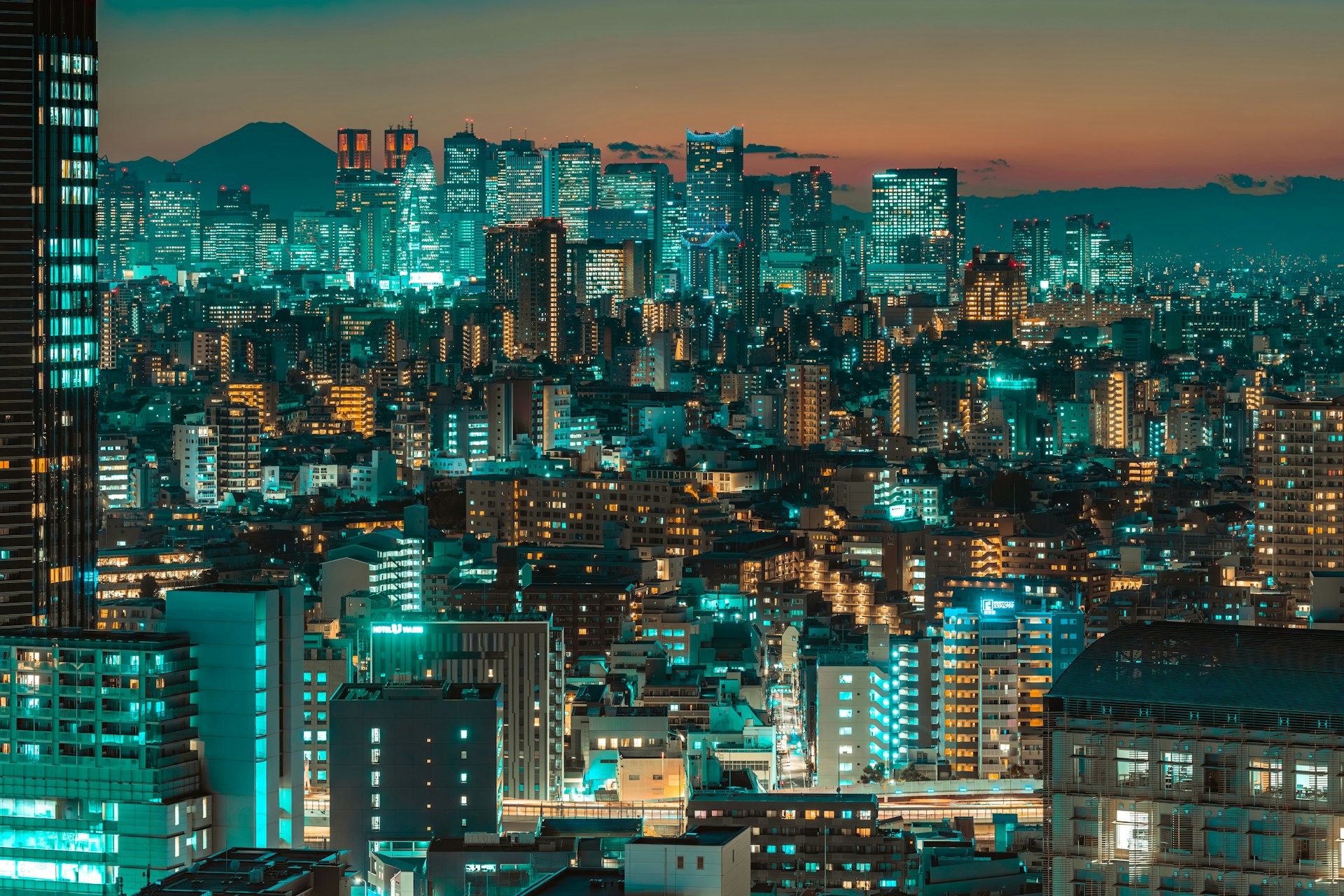
Senso-ji Temple
Tokyo's oldest and most famous Buddhist temple in Asakusa, approached through a lively shopping street of stalls. The grounds are free to enter; go early to enjoy the atmosphere before crowds build.
Gratis 1,5 j
 LoboStudio Hamburg / Unsplash
Booking sites sell to you. We protect you: verified price bands plus the exact tricks travellers hit in this place.
Not just a guide — a community. Travellers who've been here give real tips, and people going your dates are here to meet.
Tokyo is Japan's sprawling capital and one of the world's largest cities, a place where neon-lit districts, quiet temples and immaculate transport all coexist with remarkable ease. It is really a collection of distinct neighbourhoods, from the youthful energy of Shibuya and Harajuku to the old-town lanes of Asakusa…
Objek wisata dan pengalaman yang layak waktu Anda — dengan harga jujur.
Objek wisataTokyo's oldest and most famous Buddhist temple in Asakusa, approached through a lively shopping street of stalls. The grounds are free to enter; go early to enjoy the atmosphere before crowds build.
 Objek wisata
A serene Shinto shrine set in a large forested park beside Harajuku. Free to enter and a peaceful contrast to the surrounding city; you may see traditional weddings on weekends.
 Pengalaman
The famous scramble crossing where crowds surge in every direction. Free to experience; watch from a nearby cafe window or the surrounding streets for the best view.
 Objek wisata
One of the world's tallest towers, with observation decks offering vast city views. Buy a timed ticket; prices rise for the higher deck and clear days show Mount Fuji.
The must-try local dishes, sweets and fruits — including the exotic ones you won't find back home.
 DishCity Foodsters / Wikimedia Commons
Tokyo's own sushi style, developed in old Edo before refrigeration, where fish is cured, marinated or lightly cooked rather than always served raw, and pressed onto vinegared rice by hand at the counter. A seat at a proper sushi counter, watching each piece made to order, is a different experience from a supermarket sushi box.
Tsukiji's outer market area still has excellent counter sushi spots for breakfast or lunch.
 DishSyohei Arai / Wikimedia Commons
A runny, savoury Tokyo pancake of batter, cabbage and other mix-ins, cooked together on a hot griddle at your table and scraped up in small bites with a mini spatula rather than flipped like okonomiyaki. Tsukishima, an entire neighbourhood of dedicated monjayaki restaurants, is considered its spiritual home.
It looks messy compared to okonomiyaki at first; let the crust form on the griddle before eating straight off it.
 DishOcdp / Wikimedia Commons
Seafood and vegetables from Tokyo Bay, coated in a light batter and fried in sesame oil until crisp rather than heavy, a style distinct from tempura found elsewhere in Japan. At specialist counters the chef fries each piece to order and serves it to you within seconds.
 DishMaria-Yamaguchi / Wikimedia Commons
A prized winter delicacy served as translucent sashimi, hot pot or fried, prepared only by chefs specifically licensed after years of training to remove the fish's lethal neurotoxin. It is one of the more daring things a visitor can order in Tokyo, and a legally certified restaurant makes it entirely safe to try.
Look for a shop with visible fugu licensing; the mild, delicate flavour surprises people expecting something stronger.
 DishKinchan1 / Wikimedia Commons
Fermented soybeans with a sticky, stringy texture and a strong, pungent smell, traditionally eaten over rice at breakfast with mustard and soy sauce. It divides opinion even among Japanese people, and most foreign visitors either find it fascinating or can't get past the smell and texture on the first try.
Pilihan yang dipersonalisasi berdasarkan minat Anda dan apa yang ada di sekitar.
Ask, share, or connect with travelers nearby — and earn points.
Real restaurants, cafés, sights and things to do across the city — live from the map, with our fair-price and scam intelligence on top.
Yang dibayar penduduk lokal — cek penawaran sebelum menyerahkan uang tunai.
Harga seperti ini sering turun mendekati tanggal — layak ditunggu kalau rencanamu fleksibel.
Set your city and dates — we open the live results, no inventory held
Flights to Tokyo
Compare flights & hotels on Aviasales — your city auto-detected, no extra fees.
Trzly compares across the big providers and points you to the cheapest. We don't take your booking or hold your money — we send you straight to the source, name the price, and warn you about scams.
Cheapest for you first — never by commission. When booking direct is cheaper, we say so, even when we earn nothing. Rank order is a function of price and trust only.
Hotels, apartments & guesthouses
Tours, tickets & local experiences
Restaurants, cafés & honest local prices
Trains, buses, transfers & car hire
The essentials most travellers book anyway — real providers for this destination.
Tarif sebenarnya, bukan harga turis.
A comfortable direct express from Narita Airport to major city stations in about an hour. From Haneda, use the monorail or Keikyu line instead, which are faster and cheaper.
Coaches run from both airports directly to major hotels and stations. Convenient with luggage, though journey times depend on traffic.
Door-to-door but genuinely expensive from distant Narita, less so from Haneda. Best only for groups with heavy luggage or late arrivals.
An extensive, punctual subway covers the city. Use a Suica IC card to tap through, and apps make transfers easy for first-time visitors.
The loop line links many major districts like Shibuya, Shinjuku and Tokyo Station. Frequent and simple, and covered by the same IC card.
Metered, clean and reliable but costlier than rail. Handy late at night after trains stop; doors open and close automatically.
Spring (late March to May) brings cherry blossom and mild weather, while autumn (October to November) offers cool, clear days and colourful leaves. Summer is hot, humid and prone to typhoons, and winter is cold but dry with mostly sunny days.
Four to five days lets you cover the main districts, a few temples and gardens, and still leave time for day trips such as Nikko or Kamakura without rushing.
Not for the city itself, where a Suica or similar IC card is best. The Japan Rail Pass only pays off if you take several long-distance bullet-train trips between cities.
It can be, but it need not be. Convenience-store meals, set lunches, ramen shops and cheap rail keep daily costs reasonable, while nightlife, taxis and towers add up quickly.
Signage and stations often have English, and staff at major sights can usually help, but everyday English is limited. A translation app and a few polite phrases go a long way.
No. Tipping is not customary and can cause confusion. Good service is standard and already included, so simply pay the stated price.
Places like Tokyo — real prices, real scam warnings, honestly checked.
 Ditinjau
 Terverifikasi
 Ditinjau
 Ditinjau
 Ditinjau
 Ditinjau