 名所
名所At-Turaif in Diriyah
A UNESCO-listed district of restored mud-brick palaces and walls, the birthplace of the first Saudi state. Ticketed and beautifully lit at night. Allow a couple of hours and go after sunset in warm months.
$16 ~ $27 2.5 時間
 Hala AlGhanim / Unsplash
Booking sites sell to you. We protect you: verified price bands plus the exact tricks travellers hit in this place.
Not just a guide — a community. Travellers who've been here give real tips, and people going your dates are here to meet.
Riyadh is the capital of Saudi Arabia and a rapidly modernising desert city, where glass towers rise beside restored mud-brick heritage and wide highways cut through the plateau. Once a walled oasis town, it is now the country's political and business heart, and recent years have opened it to leisure visitors with new…
時間を割く価値のある名所と体験——正直な価格つき。
名所A UNESCO-listed district of restored mud-brick palaces and walls, the birthplace of the first Saudi state. Ticketed and beautifully lit at night. Allow a couple of hours and go after sunset in warm months.
 名所
名所A large, well-organised museum covering Arabian history from prehistory to the modern kingdom, part of the King Abdulaziz Historical Centre. Modest entry fee and a good air-conditioned option in the heat.
 名所
名所A restored clay-and-mud fort in the old city, central to Saudi Arabia's founding story. Free to enter, with small exhibits inside and the historic souq area nearby.
 名所
名所The observation bridge near the top of the Kingdom Centre tower, giving sweeping views over the city. Ticketed, and best at sunset or after dark when Riyadh lights up.
The must-try local dishes, sweets and fruits — including the exotic ones you won't find back home.
 DishSammy Six / Wikimedia Commons (CC BY 2.0)
Saudi Arabia's iconic national dish: fragrant spiced rice cooked with tomatoes, onions and a warm spice blend, topped with slow-cooked chicken, lamb or camel meat. Riyadh and the wider Najd region are considered the heartland of the classic version most Saudis grew up eating.
Try it at a traditional floor-seating restaurant recreating an old Najdi house, where generous portions are shared from a single large platter.
 DishSayom / Wikimedia Commons (CC BY-SA 4.0)
A hearty Najdi porridge of cracked wheat simmered slowly with meat, onions and warming spices until thick and creamy, closer in texture to a savoury risotto than to rice. It is a dish locals associate more with home-style Najdi cooking than with restaurant menus.
It's a winter comfort food, so look for it on menus at heritage-style Najdi restaurants, especially in the cooler months.
A slow-simmered Najdi stew of lamb or chicken with pumpkin, potato and other vegetables, thickened with torn pieces of thin flatbread that soak up the broth. It's a one-pot, deeply savoury dish that rarely appears outside Saudi and Gulf home kitchens and heritage restaurants.
Order it at a Najdi heritage restaurant alongside kabsa and jareesh to sample the full range of traditional stews.
 DrinkSlywire / Wikimedia Commons (CC BY-SA 4.0)
Light, cardamom-scented coffee poured from a long-spouted brass dallah into small handleless cups, always served alongside sweet dates as a ritual of Saudi hospitality. It tastes quite different from Western coffee: thin, fragrant and unsweetened, balanced by the date's natural sugar.
Accept a refill or two if offered, and give your empty cup a slight side-to-side shake when you're finished, a small gesture many visitors don't know.
 Drinkkrebsmaus07 / Wikimedia Commons (CC BY 2.0)
Fresh camel milk is a genuinely novel taste for most foreign visitors: thinner and saltier than cow's milk with a faint tang, traditionally drunk by Bedouin families alongside dates. It's still sold fresh and in chilled or flavoured bottles around Riyadh, and camel meat, including in kabsa, also turns up on heritage-restaurant menus.
Look for bottled camel milk in larger supermarkets, or ask at a heritage Najdi restaurant whether a camel-meat kabsa is on the menu.
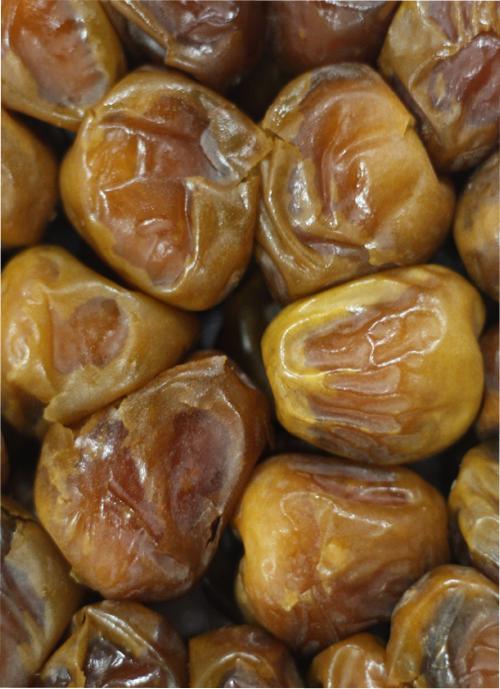 FruitRushakhalid / Wikimedia Commons (CC BY-SA 3.0)
Grown mainly around Al-Qassim, just north of Riyadh, Sukkari ("sugary") dates are famous across Saudi Arabia for their soft, caramel-like flesh that all but melts in the mouth. Trying fresh, high-quality dates here is a different experience from the dried, packaged dates most foreign visitors know.
Buy them by weight at a dedicated date shop rather than a supermarket for fresher stock and a chance to sample before buying.
あなたの興味と近くのスポットに基づいたおすすめ。
Ask, share, or connect with travelers nearby — and earn points.
Real restaurants, cafés, sights and things to do across the city — live from the map, with our fair-price and scam intelligence on top.
地元の人が払う額——お金を払う前に見積もりを確認。
直接予約——多くの場合プラットフォームより安く、無料キャンセルができることが多いです。
手口: Unlicensed drivers touting rides at the airport or on the street quote a high flat fare once you are in the car, with no meter and no app to check the price against.
避け方: Insist on booking through Careem or Uber, or agree the exact fare with a licensed driver before getting in. Avoid anyone approaching you inside the terminal offering a ride.
Set your city and dates — we open the live results, no inventory held
Flights to Riyadh
Compare flights & hotels on Aviasales — your city auto-detected, no extra fees.
Trzly compares across the big providers and points you to the cheapest. We don't take your booking or hold your money — we send you straight to the source, name the price, and warn you about scams.
Cheapest for you first — never by commission. When booking direct is cheaper, we say so, even when we earn nothing. Rank order is a function of price and trust only.
Hotels, apartments & guesthouses
Tours, tickets & local experiences
Restaurants, cafés & honest local prices
Trains, buses, transfers & car hire
The essentials most travellers book anyway — real providers for this destination.
観光客価格ではなく、実際の運賃。
The simplest airport link, with the fare shown before you book. Follow the app's pickup instructions at the terminal rather than accepting an approach from a waiting driver.
Licensed taxis wait at the airport but can be pricier and less transparent than an app. Confirm the fare or insist on the meter before you set off.
A budget bus service links the airport with parts of the city. Cheapest option but slower and less direct, so best if you are travelling light and watching costs.
A modern, air-conditioned metro network covering several lines across the city. Cheap and comfortable, and a good way to beat both the heat and the traffic on key routes.
The default way most visitors get around Riyadh. Prices are set in the app, cars are plentiful, and you avoid haggling. Useful for the many trips the metro does not cover.
An expanding public bus network complements the metro at low fares. Routes and signage can be harder for visitors, so most rely on ride-hailing for door-to-door trips.
The cooler months from November to March are by far the best time to visit, with pleasant days and cold desert nights ideal for sightseeing and desert trips. Summer, from roughly May to September, brings extreme heat that makes daytime outdoor activity difficult.
Two to three days covers the main city sights like Diriyah, the National Museum and the Kingdom Centre, with an extra day for a desert trip to the Edge of the World.
Ride-hailing apps are the easiest and most transparent option, and the new Riyadh Metro is a cheap, air-conditioned choice on the routes it covers. Walking is limited by distances and heat.
The peak summer months from around May to September are extremely hot and best avoided for sightseeing. The cooler season from November to March is far more comfortable.
Dress modestly in public, covering shoulders and knees. Standards have relaxed for visitors in recent years, but conservative, respectful clothing is expected and appreciated, especially at heritage and religious sites.
It is strongly recommended. The site is free but reached by rough desert tracks that are easy to get lost on, so a licensed operator with a proper 4x4 is the safe and practical way to go.
Places like Riyadh — real prices, real scam warnings, honestly checked.


 レビュー済み
 レビュー済み