Trzly.
0
Trzly · México Mexico City
Mexico City
ProtoplasmaKid / CC BY-SA 4.0 — Wikimedia Commons
Guia de confiança · protegido contra golpes

Mexico City

A high-altitude capital where ancient ruins meet world-class art and street life

Verified
Verified 4 de agosto de 2026 · 3 sources · Confiança 93%

Visão geral

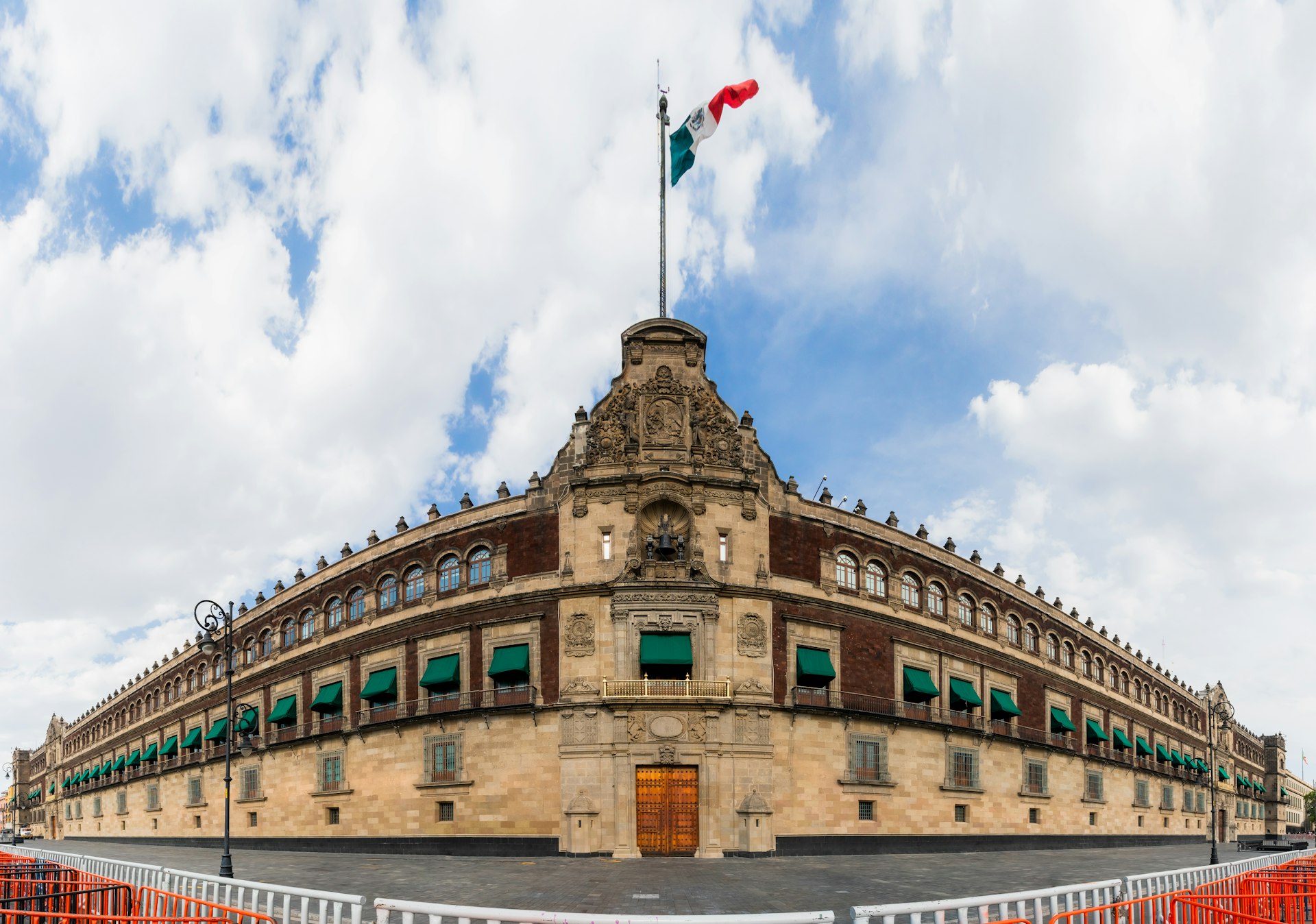
Mexico City is one of the largest and highest-altitude capitals in the Americas, a sprawling metropolis of colonial architecture, world-class museums and endless neighbourhoods each with a distinct character. Built on the site of the Aztec capital, its historic centre is anchored by the Zocalo, a vast main square flanked by the Metropolitan Cathedral and government buildings, with Aztec ruins still visible just steps away. Beyond downtown, the city spreads into leafy park districts like Roma and Condesa, canal-laced former villages such as Coyoacan, home to the Frida Kahlo Museum (Casa Azul), and a modern skyline, connected by an extensive metro system that is one of the busiest in the world. Just outside the city, the ancient pyramid complex of Teotihuacan makes for an easy and essential day trip. The food scene ranges from humble street-corner taco stands to globally ranked restaurants, and the altitude and thin air take a day or two to get used to. Mexico City rewards visitors who slow down, use official transport and explore beyond the most obvious tourist strip.

Coisas para fazer

As atrações e experiências que merecem o seu tempo — com preços justos.

The Zócalo and historic centre

Atração

Mexico City's vast main square, one of the largest public squares in the world, ringed by the cathedral, government buildings and Aztec ruins uncovered just off its corner. Free to walk through at any time of day.

Grátis 1,5 h

Teotihuacan pyramids day trip

Atividade

An ancient pre-Aztec city about an hour outside Mexico City, home to two of the largest pyramids in the Americas. Most visitors join a half-day or full-day tour that includes transport and a guide.

MX$ 849–1.698 · US$ 45–90 8 h

Historic centre walking tour

Atração

A self-guided or guided walk through the colonial-era streets, plazas and churches of downtown, packed with architecture spanning five centuries. Free to explore on foot.

Grátis 2 h

National anthropology museum

Atração

A major museum covering Mexico's pre-Hispanic civilizations, with an enormous collection of Aztec, Maya and other artefacts. Allow at least half a day to see the main halls. INAH raised admission at its major federal sites, including this museum, to a flat rate for foreign visitors starting January 2026.

MX$ 208–236 · US$ 11–13 2,5 h

Floating gardens boat trip

Atividade

A colourful flat-bottomed boat ride through the historic canals and floating gardens of Xochimilco on the city's southern edge, often with onboard food and mariachi vendors nearby. Boats (trajineras) are rented by the hour with a typical two-hour minimum and hold a large group, so the listed price assumes sharing with other travellers; a private rental for a couple costs considerably more per person.

MX$ 283–566 · US$ 15–30 3 h

Lucha libre wrestling show

Experiência

A high-energy evening of masked professional wrestling at Arena Mexico or another downtown arena, one of the city's most distinctive spectator experiences. Tickets are sold at the door or in advance, with the cheapest general-admission seats well below premium ringside pricing.

MX$ 189–566 · US$ 10–30 2 h

Frida Kahlo Museum (Casa Azul)

Atração

A cobalt-blue house-turned-museum in Coyoacan, dedicated to Frida Kahlo, one of Mexico's best-known painters. Buy timed tickets online in advance, as they sell out days ahead.

MX$ 321–377 · US$ 17–20 1,5 h

Chapultepec Castle

Atração

A hilltop palace inside Chapultepec Park that once housed Mexican emperors and presidents, now home to the National History Museum. INAH raised its foreign-visitor entry fee to a flat rate starting January 2026, in line with the country's other major federal sites.

MX$ 208–236 · US$ 11–13 2 h

Preços justos e escudo antifraude

O que os locais pagam — verifique uma cotação antes de pagar em dinheiro.

Metro CDMX single ride
por corrida
MX$ 5 · US$ 0

The Metro CDMX is one of the cheapest metro systems in the world, with a flat fare regardless of distance. Keep a few coins handy, as some stations only accept cash.

Rideshare or registered taxi
por corrida
MX$ 57–151 · US$ 3–8

Ride-hailing apps show the fare upfront and are generally safer and more transparent than hailing a street taxi. If you do take a street taxi, confirm it is registered and agree the fare or insist on the meter before moving.

Mid-range restaurant meal
por pessoa
MX$ 151–340 · US$ 8–18

A sit-down meal in a mid-range restaurant in a central neighbourhood costs noticeably more than the same meal further from tourist areas. Menus with prices displayed outside are a good sign of a fair, fixed price.

Street taco meal
por pessoa
MX$ 38–94 · US$ 2–5

Street tacos are sold by the piece and are one of the best-value meals in the city. Choose stalls with a high turnover of local customers for freshness.

Museum entrance fee
por pessoa
MX$ 57–236 · US$ 3–13

Smaller independent and city-run museums charge a modest entrance fee, but major INAH federal sites (the National Anthropology Museum, Chapultepec Castle, Templo Mayor and similar) now charge a higher flat foreign-visitor rate since January 2026; check current pricing locally.

Rideshare from the airport
por corrida
MX$ 151–283 · US$ 8–15

Ordering a rideshare from inside the airport terminal avoids the unofficial taxi touts waiting at the exits. Confirm the license plate matches the app before getting in.

Local beer at a neighbourhood bar
per drink
MX$ 38–94 · US$ 2–5

Local beer at a neighbourhood bar is inexpensive; prices climb quickly at rooftop bars and tourist-zone venues, so check the menu before ordering.

Verifique o preço — Metro CDMX single ride

Golpes comuns

ATM and currency shortchange
Média

Como funciona: Some street money-changers or informal exchange points give a poor rate or short-change tourists who are not counting carefully, and a few ATMs in touristy areas charge excessive fees or dispense less than requested.

Como evitar: Withdraw from ATMs attached to major banks inside malls or bank branches, count cash before walking away, and avoid street money-changers entirely.

Unofficial street taxi risk
Alta

Como funciona: Unregistered taxis hailed outside tourist areas have occasionally been linked to overcharging or, rarely, more serious incidents, especially late at night.

Como evitar: Use a rideshare app or call a registered taxi through your hotel instead of flagging a car on the street, particularly after dark.

Fake police shakedown
Média

Como funciona: Individuals posing as plainclothes police or officials stop tourists, claim a fabricated violation, and demand an on-the-spot cash 'fine'.

Como evitar: Real officers do not demand payment on the street. Ask for identification, offer to go to the nearest police station, or call your hotel or embassy rather than paying anyone directly.

Tourist-zone restaurant markup
Baixa

Como funciona: Restaurants right on the main tourist squares sometimes present a menu without prices or add unexpected service charges once the bill arrives.

Como evitar: Always ask to see a priced menu before ordering, and check the bill for any added charges before paying.

Como chegar lá e se mover

Tarifas reais, não preços para turistas.

Como chegar
Fly into Mexico City International Airport 3 hMX$ 2.830–7.547 · US$ 150–400

The main airport sits close to the city centre with metro, bus and rideshare connections. A second airport further out also serves some domestic and low-cost routes.

Intercity bus 5 hMX$ 189–755 · US$ 10–40

Mexico has an extensive long-distance bus network with comfortable first-class coaches linking most major cities to Mexico City. Book from an official terminal or online in advance for the best fares.

Self-drive via toll highway 3 hMX$ 377–755 · US$ 20–40

Toll highways connect Mexico City to nearby colonial towns and states, though traffic and complex city driving make a car more useful for day trips than for getting around downtown.

Como se mover
Metro CDMXMX$ 5 · US$ 0

One of the busiest and cheapest metro systems in the world, covering most of the city, though it gets extremely crowded at rush hour. Keep bags close and valuables out of sight.

Rideshare (Uber and similar apps)MX$ 57–189 · US$ 3–10

Widely used and generally the safest way to move around the city, with the fare and driver details shown before you get in.

Street taxiMX$ 57–151 · US$ 3–8

Officially registered taxis can be hailed on the street, but confirm registration and agree the fare or insist on the meter before setting off.

Melhor época para visitar

março–maio e outubro–novembro

March to May and October to November bring warm, mostly dry days and are considered the best months to visit. The rainy season runs roughly June to September with frequent afternoon downpours, and December to February can be cool and dry with cold nights at the city's high altitude.

Segurança

CautelaMexico City sits at over 2,200 metres above sea level, and many visitors feel short of breath or tired for the first day or two. Pace your first day, stay hydrated and limit alcohol until you have adjusted.
CautelaPickpocketing happens in crowded metro carriages, markets and tourist plazas. Carry bags in front of you, keep phones and wallets zipped away, and stay alert in dense crowds.
CautelaAir quality can be poor on still, high-pressure days, particularly for anyone with respiratory conditions. Check local air quality reports and consider limiting strenuous outdoor activity on high-pollution days.
Jóias escondidas

Visit the floating gardens on a weekday morning rather than a weekend to avoid the loudest party boats and enjoy a calmer ride.
Explore the Roma and Condesa neighbourhoods south of downtown on foot for colourful streets, cafes and galleries with far fewer crowds than the historic centre.
Ride the metro at least once outside rush hour for cheap, fast cross-city travel and a genuine slice of daily local life.

Perguntas frequentes

How many days do I need in Mexico City?

Four to five days let you cover the historic centre, a major museum, a day trip to Teotihuacan and at least one southern neighbourhood without rushing.

Is Mexico City safe for tourists?

The main tourist areas are generally safe with normal city precautions. Stick to rideshare apps or registered taxis at night, watch your belongings in crowds, and avoid displaying valuables.

Will the altitude affect me?

Many visitors notice shortness of breath or mild fatigue for the first day or two at this altitude. Take it easy on arrival, drink plenty of water and limit alcohol until you adjust.

Do I need Spanish to get around?

Basic Spanish phrases help a lot, especially with taxis and street food, though many hotels, museums and central restaurants have English-speaking staff.

Is Teotihuacan worth a day trip?

Yes. It is one of the most impressive ancient sites in the Americas and easily reached on a half-day or full-day tour, making it one of the most rewarding side trips from the city.

Golpes em Mexico City — leia antes de chegar
O preço justo e proteção antifraude para cada serviço.
Atualizado · de 3 fontes verificadas · os números são verificados automaticamente antes de publicar.